Water Filtration Systems


Choose the Water Purification System You Need
At Noah Water Systems Inc, we build portable water purification systems designed for one purpose: to keep people safe. Whether you need clean drinking water for a handful of people or an entire village, our systems provide proven protection against bacteria and viruses hidden in freshwater sources. From 10 to 10,000 people, we have the right solution for your challenge.
Safe Water from Virtually Any Source
Our
Trekker™ and
Nomad™ purification systems transform nearly any freshwater source into safe drinking water, including:
- Wells, lakes, rivers, and streams
- Reservoirs, ponds, and marshes
- Swimming pools and rain collection tanks
- Polluted floodwaters and dams
No matter the situation, you can depend on Noah Water Systems Inc for clean, reliable drinking water.
Trusted in Critical Situations Worldwide
Our systems are used every day in life-saving and mission-critical environments:
- Disaster relief and refugee camps
- Missionary and medical camps
- Military and displaced persons’ emergencies
- Remote villages and work camps
- Feeding programs and disaster preparedness inventories
- Marine, RV, camping, hunting, and fishing trips
Backed by patented technology and years of field experience, our systems provide peace of mind in even the harshest conditions.
Proven Technology. Portable Design.
Both the Trekker™ and the Nomad™ use the same powerful
UV purification combined with micro-filtration, visibly cleaning the water and destroying hidden pathogens with up to
99.9999% effectiveness.
Every system is designed, engineered, and manufactured in the USA — and supported by world-class customer service. We are an EPA-registered producer and ship worldwide, arranging delivery wherever clean water is needed.
Reviews
The Nomad Water Purifier
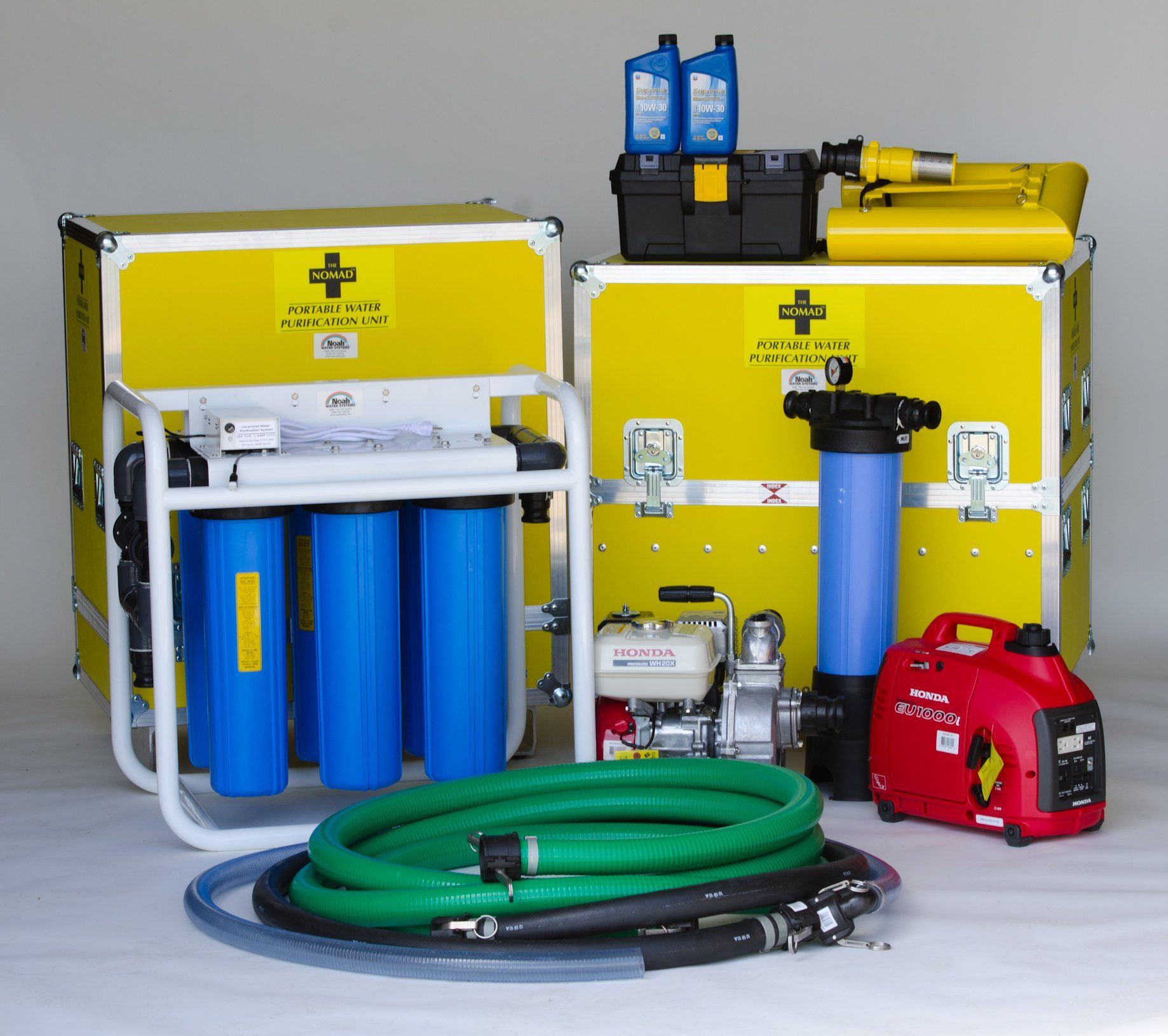
The Nomad™ is perfectly suited to meet the drinking water needs of small towns or larger groups, producing up to 36,000 gallons per day of clean, safe drinking water.
Its features include:
- Production at 25 gallons/minute (95 Ltr/min)
- Disinfection to 99.9999% Kill Rate
- Dimensions: 34x29x38 inches
- Weight: 600 lbs (total)
- 4-Stage Purification Process
The Trekker Water Purifier
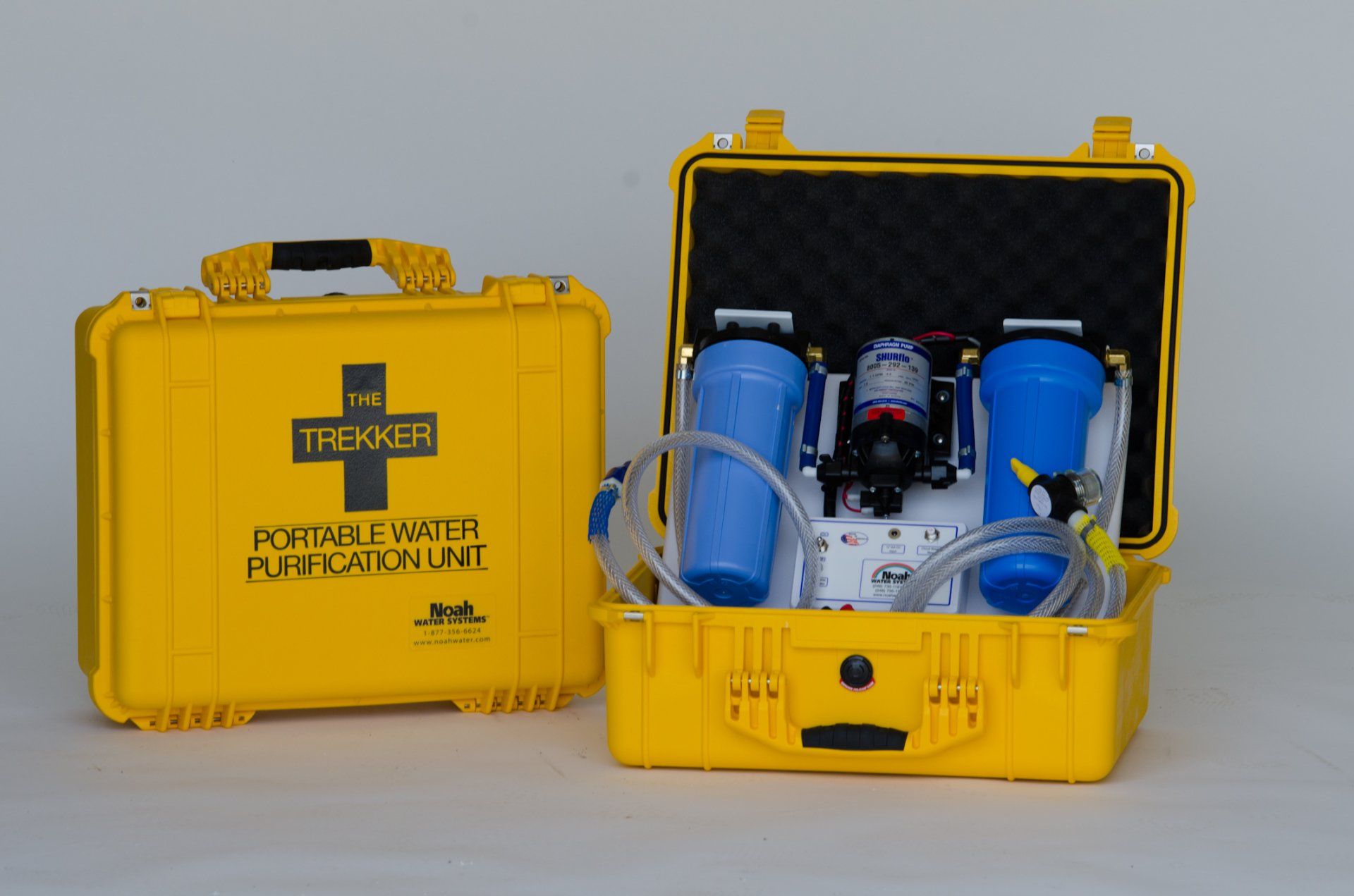
The Trekker™ is man-portable and designed for smaller groups, producing 1 gallon per minute of safe drinking water from virtually any freshwater source.
Key Features:
- Production at 1 gallon/minute
- Disinfection > 99.99% Kill Rate
- Dimensions: 21x18x9 inches
- Weight: 26.5 lbs (12 kg)
- 4-Stage Purification Process
Understanding Water Filtration Systems
Water filtration systems play a crucial role in ensuring households and industries receive clean and safe water. These systems are designed to remove contaminants and impurities through a series of processes, ensuring water is not only clean but also healthy to consume. With increasing concerns about water quality worldwide, water filtration systems have become indispensable for modern life.
Typically, water filtration systems consist of multiple stages and technologies to tackle a range of pollutants found in water supplies. These can include physical barriers such as filters or chemical processes that neutralize harmful compounds. Understanding the workings of these systems allows for informed decisions when choosing the best option suitable for particular needs.
There are various types of systems, from point-of-use solutions that filter water at a single tap, to comprehensive whole-house systems that treat water as it enters a property. Each system is tailored to address specific issues and contaminants, demonstrating versatility and efficacy in improving water quality for diverse users.
Benefits of Using Water Filtration Systems
Investing in water filtration systems offers significant benefits by ensuring access to pure drinking water, free of harmful contaminants. Families and businesses can enjoy improved taste and safety, which enhances overall health and well-being. With a clean water supply, it's possible to reduce risks associated with waterborne illnesses caused by pathogens and pollutants.
Water filtration also extends the life of plumbing systems and appliances, preventing scale build-up and corrosion. Appliances such as kettles, coffee makers, dishwashers, and washing machines benefit from using filtered water, leading to improved efficiency and lower maintenance costs over time. By protecting infrastructure, water filtration systems provide a cost-effective solution for long-term household and business operations.
Furthermore, using water filtration systems contributes to environmental conservation efforts by reducing the reliance on bottled water. With a significant reduction in plastic waste and carbon footprint, opting for filtration systems is a step toward achieving more sustainable living practices. Transitioning to filtered tap water is not only good for health but also beneficial for the planet.
Key Components of Water Filtration Systems
The effectiveness of water filtration systems relies heavily on their key components, each designed to target specific impurities and contaminants. The primary component is typically a sediment filter, which removes large particles and debris from the water supply. This first layer of filtration is crucial to protect subsequent stages from clogging and degrading prematurely.
Following the sediment filter, activated carbon filters are commonly employed to remove chlorine, volatile organic compounds (VOCs), and other unpleasant tastes and odors from water. Known for their adsorption capabilities, these filters significantly enhance the quality and taste of drinking water, making it more palatable for users. Activated carbon is favored in many filtration systems due to its natural efficiency and environmental friendliness.
Lastly, advanced filtration systems may include membrane filters, such as reverse osmosis, which are highly effective in removing smaller, dissolved substances like heavy metals and other inorganic pollutants. These systems are particularly beneficial in areas where water supplies are heavily contaminated, providing an unparalleled level of purification. For the highest water quality, a combination of these components is recommended.
Choosing the Right Water Filtration Systems
Selecting the appropriate water filtration systems depends on various factors, including water quality, household needs, and budget considerations. It is crucial to begin with a water quality assessment to identify the specific contaminants requiring filtration. This information is vital in determining the type and complexity of the system required for optimal performance.
Once the contaminants are identified, the next step involves considering the household or business size and daily water usage. Point-of-use systems, such as under-sink filters and countertop units, are suitable for smaller families, while larger households may benefit from whole-house systems that cater to higher volume requirements. Balancing initial investment and operating costs with system efficiency is key to achieving the desired results.
Finally, consulting with water filtration experts can provide valuable insights and recommendations tailored to specific water quality issues. Professional guidance ensures the chosen system meets current needs and future demands, providing peace of mind and ensuring long-term benefits. With the right system in place, families and businesses can enjoy clean, safe, and reliable water every day.
Maintaining Water Filtration Systems
Regular maintenance is crucial to ensure that water filtration systems function optimally and provide consistent quality. Most systems require periodic filter changes, as clogged or worn-out filters can hinder filtration efficiency and reduce water flow. Sticking to manufacturer-recommended maintenance schedules prolongs the system's lifespan and guarantees the delivery of clean water.
In addition to routine filter replacements, cleaning individual components can prevent the growth of mold and bacteria within the system. Regularly disinfecting parts like tanks and housings ensures that water hygiene is maintained, eliminating any potential threats of contamination. Besides enhancing performance, clean systems improve water taste and odor, contributing to a more enjoyable drinking experience.

Share On: