Understanding Water Filtration
Water filtration is a crucial process for ensuring access to clean and safe drinking water. This article delves into the various aspects of water filtration, discussing its importance, methods, technologies, and its role in public health and environmental sustainability. The increasing threat of water pollution and scarcity has accentuated the necessity of reliable filtration systems worldwide. Through various technological advances, modern filtration systems aim to provide sustainable solutions to these pressing issues. The multifaceted approach to water filtration ensures the health and well-being of populations both in developed and developing regions.
1. Importance of Water Filtration
1.1 Ensuring Safe Drinking Water
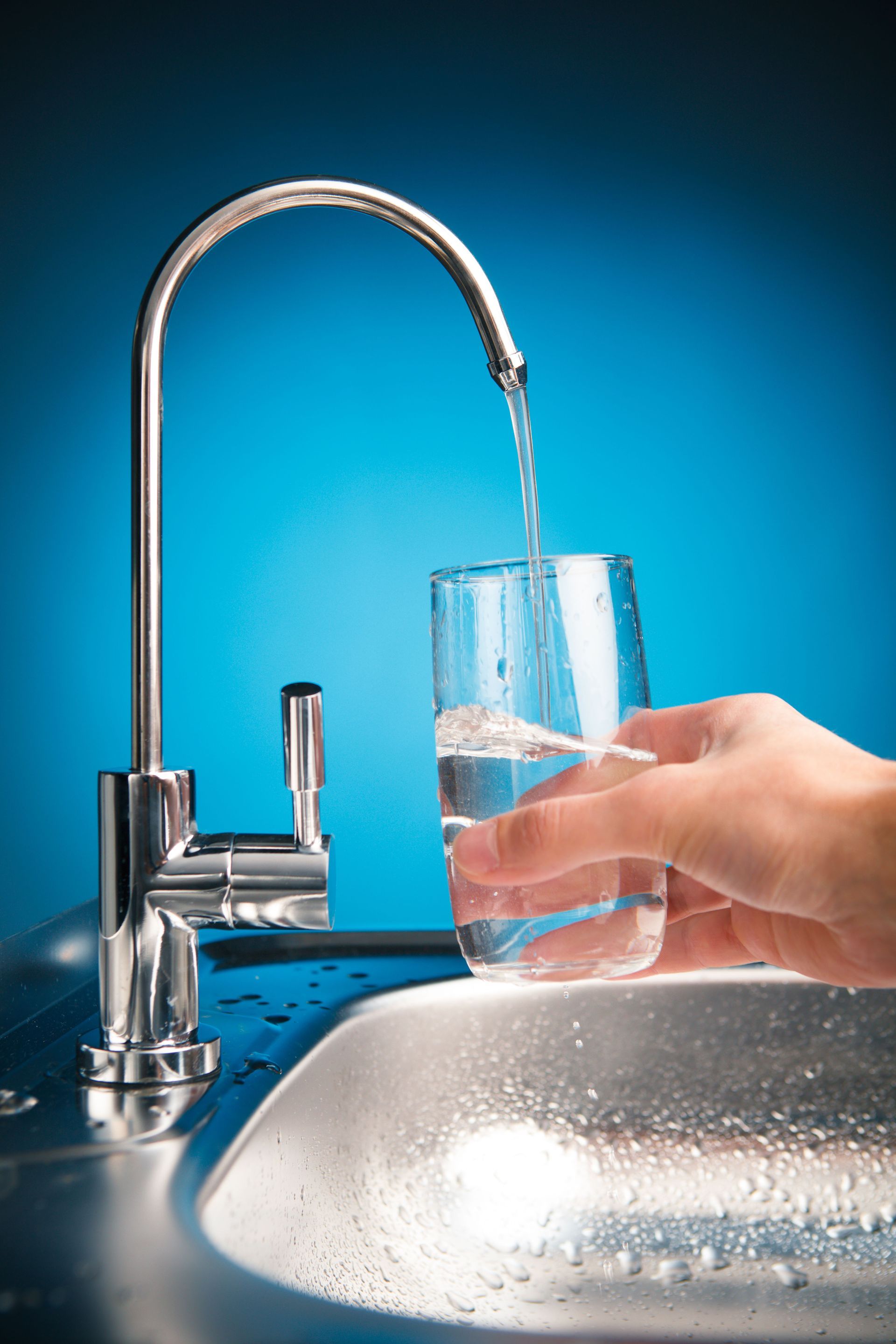
The primary role of water filtration is to ensure the availability of safe drinking water. In many areas, untreated or inadequately treated water poses significant health risks. Filtration systems are designed to reduce or eliminate harmful substances like bacteria, viruses, and cysts. Given that nine out of 10 people in the United States get their tap water from a regulated public water system, according to the CDC, the reliability of these filtration processes is paramount to maintaining public health. The assurance of clean water access is foundational to both individual and communal vitality.
1.2 Removing Harmful Contaminants
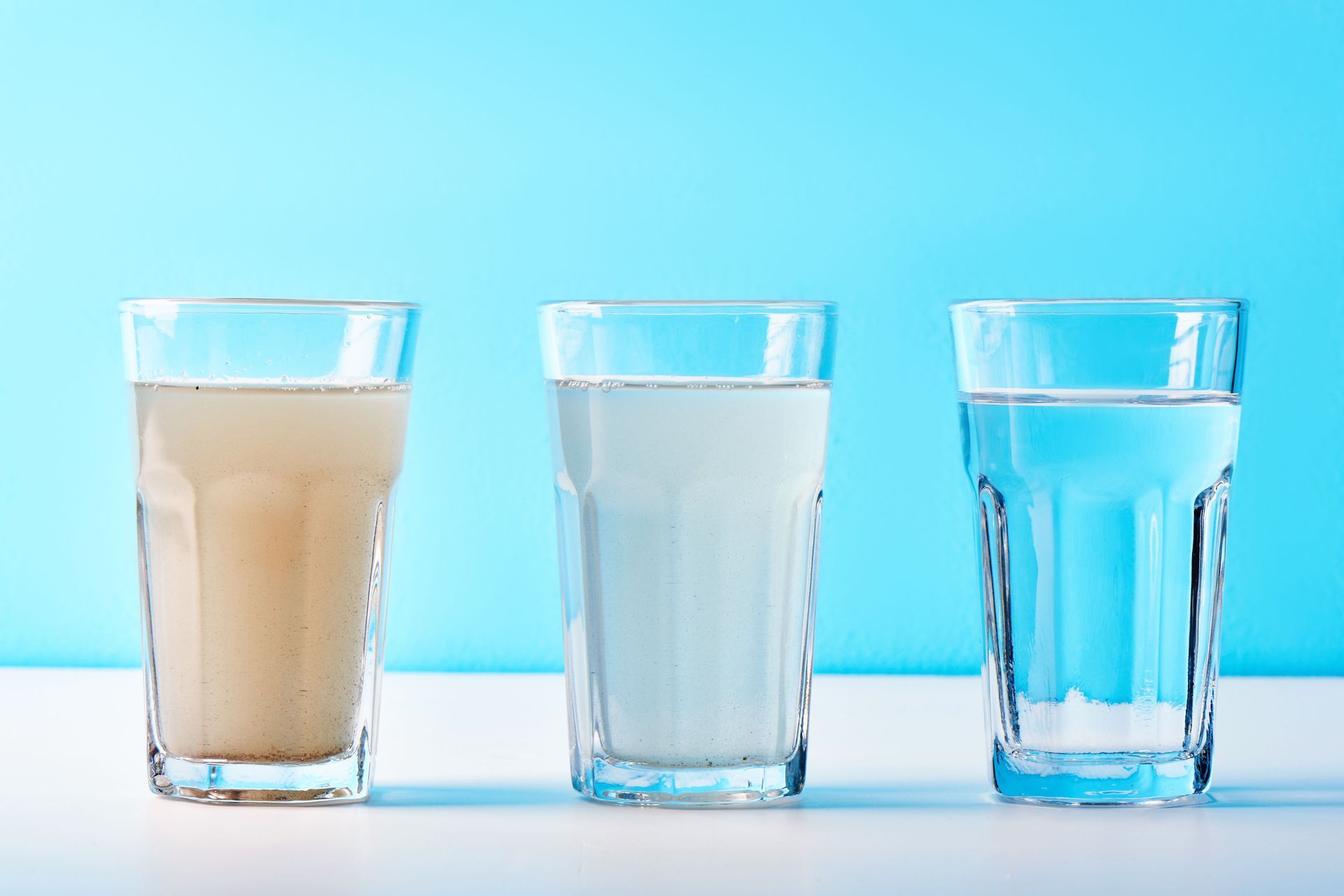
Harmful contaminants in water can include a range of chemical, physical, and biological elements such as heavy metals, pesticides, and microorganisms. Filtration plays a vital role in eliminating these contaminants to levels considered safe by regulatory bodies. Effective filtration not only minimizes potential health risks but also prevents the long-term effects connected with the cumulative exposure to contaminants. As technology advances, the capability of filtration systems to target even the most persistent contaminants increases, offering a growing sense of security to consumers. The dynamic nature of contaminants requires ongoing innovation in filtration technology to address emerging threats.
1.3 Enhancing Water Taste and Smell
While safety is of utmost concern, water's taste and smell are also important to consumers. Many filtration systems help to remove substances like chlorine, which can impart an unpleasant taste and odor. Enhanced taste and smell not only improve user satisfaction but can also encourage higher water consumption, benefiting overall health. This aspect of water filtration is particularly emphasized in areas where public trust in the water supply is low. By addressing aesthetic concerns, water filtration systems support the acceptance and use of tap water over bottled alternatives.
2. Basic Principles of Water Filtration
2.1 Understanding Filtration Processes
Water filtration involves several processes aimed at removing different types of impurities from water. These processes range from simple physical barriers that strain out particles to complex chemical interactions that neutralize pollutants. Understanding these processes is essential for selecting the appropriate filtration system for specific needs. In general, filtration operates on principles of size exclusion and absorption, ensuring the effective separation of contaminants from potable water. Comprehensive knowledge of these processes equips users and operators with the skills necessary to maintain optimal functioning of filtration systems.
2.2 Types of Contaminants
Contaminants in water can be broadly categorized into physical, chemical, and biological pollutants. Physical contaminants include sediment and organic material, while chemical contaminants encompass metals and artisanal chemicals like PCBs. Biological contaminants, such as bacteria and viruses, present immediate health risks and require effective filtration for safe consumption. Each category demands specific filtration techniques for successful pollutant removal. Addressing all types of contaminants is crucial for providing comprehensive protection to water users and ensuring adherence to safety standards.
2.3 Physical Filtration Methods
Physical filtration methods primarily focus on the removal of suspended solids and particulates through mechanical processes. Techniques such as sedimentation, using a simple barrier to trap larger particles, are among the earliest and continue to be reliable methods in certain contexts. More advanced approaches, like membrane filtration, leverage pores of varying sizes to capture smaller debris. Physical filtration is often the first step in a multi-stage process, setting the stage for subsequent chemical or biological treatment methods. The effectiveness of these processes rests on properties like pore size, material integrity, and the fluid dynamics involved.
3. Types of Water Filtration Systems
3.1 Activated Carbon Filters
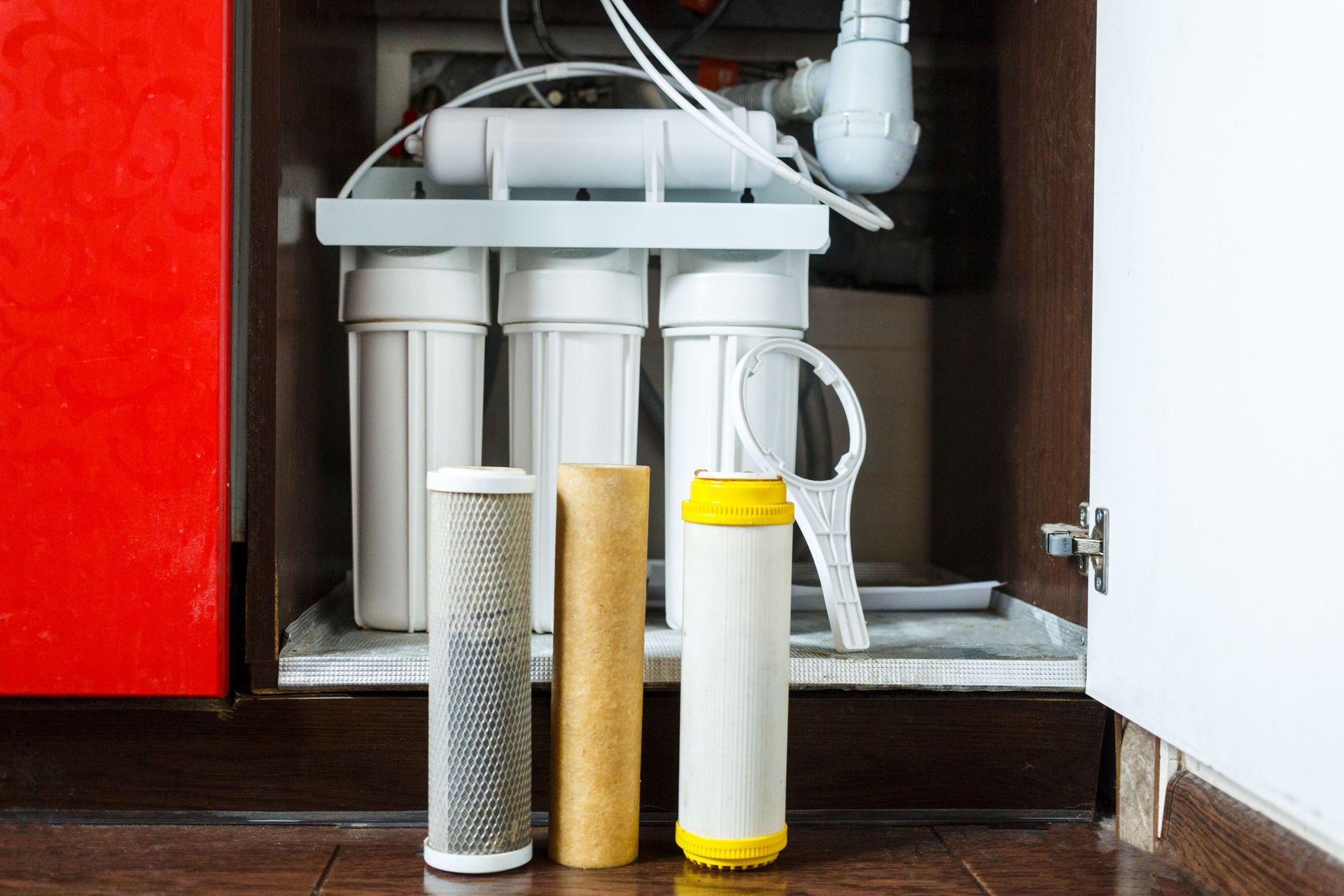
Activated carbon filters are one of the most commonly used filtration systems due to their effectiveness in absorbing organic compounds. These filters work by utilizing a large surface area that captures contaminants, especially those responsible for taste and odor. They are particularly effective against chlorine and some heavy metals, making them suitable for residential and municipal applications. Despite their benefits, activated carbon filters need regular replacement to maintain efficacy. This dependency on frequent maintenance underscores the importance of user awareness in system operation.
3.2 Reverse Osmosis Systems
Reverse osmosis (RO) systems are highly efficient water purifiers that remove 99% of dissolved solids, making them ideal for areas with high contaminant levels. This process involves forcing water through a semipermeable membrane, effectively separating and discarding impurities. While effective, RO systems require considerable water pressure and result in significant water waste, making them less sustainable unless combined with recovery mechanisms. Additionally, they may remove beneficial minerals, which sometimes requires remineralization processes to ensure water quality. As filtration technologies evolve, efforts to optimize efficiency and reduce waste in RO systems continue.
3.3 Ultraviolet (UV) Disinfection
Ultraviolet (UV) disinfection is an advanced technique that sterilizes water by inactivating microorganisms with ultraviolet light. It is effective against bacteria, viruses, and protozoa, making it a crucial additional barrier in comprehensive water treatment systems. However, UV disinfection does not remove chemical contaminants, necessitating supplemental purification methods. Its non-invasive nature means it doesn't alter the taste, odor, or chemical composition of water. With low operating costs and a modest environmental footprint, UV systems are increasingly favored for residential and industrial use.
4. Advanced Water Filtration Technologies
4.1 Nanofiltration
Nanofiltration is a newer technology that operates between ultrafiltration and reverse osmosis, targeting smaller particles and multivalent ions. It requires less pressure than RO systems, reducing energy demands and operational costs, making it an attractive solution for certain industrial applications. The membranes used in nanofiltration can remove color and pathogens while retaining beneficial salts, offering a balanced approach to water treatment. Its versatility enables applications across both municipal and specialized industrial sectors, accommodating a wide variety of water sources. Current research is focused on enhancing membrane permeability and durability to maximize system efficiency.
4.2 Electrochemical Filters
Electrochemical filters apply electricity to water to break down contaminants, a technique beneficial for both purification and desalination. This technology achieves pollutant removal by inducing redox reactions and requiring minimal chemicals, which helps to sustain water quality and reduce environmental impacts. Its growing use in desalination and industrial wastewater treatment highlights its adaptability and effectiveness. The integration of electrochemical processes into existing systems can enhance overall performance without significant infrastructure overhauls. Continued advancements in electrode materials are anticipated to further improve the cost-effectiveness of electrochemical filtration.
4.3 Membrane Filtration Technologies
Membrane filtration technologies span a range of processes, including microfiltration, ultrafiltration, nanofiltration, and reverse osmosis. Each process varies by pore size and operating pressure, tailored to specific contaminants and applications. Combined or sequential use can address diverse treatment needs, enhancing water purification effectiveness. Innovations in membrane materials, such as thin-film composites and graphene-based membranes, promise increased durability and efficiency. While these technologies are capital-intensive, their precision in targeting pollutants justifies investment, especially for complex water treatment demands.
5. Water Filtration in Different Sectors
5.1 Residential Water Filtration
Residential water filtration systems are designed to provide households with safe, directly consumable water. These systems vary widely, from simple pitcher filters to comprehensive whole-house systems incorporating multiple stages of purification. Ensuring the quality and reliability of residential water is pivotal, especially where source water quality may be variable. As public awareness of potential water contaminants grows, there is a demand for systems that balance effective purification with ease of use and affordability. Industry advancements continue to make residential systems more efficient, accessible, and environmentally conscious.
5.2 Industrial Water Treatment
Industrial water treatment aims to manage water quality in manufacturing processes, power generation, and other sectors requiring substantial water use. These treatments address both the influx and efflux of water, ensuring that facilities meet regulatory standards and minimize environmental impact. Techniques include robust filtration systems capable of handling chemical and thermal stress. Advances in industrial water treatment focus on increasing energy efficiency and reducing waste, crucial for sustainable industry growth. Collaborative efforts are ongoing to develop systems that integrate seamlessly with industrial processes, maintaining production integrity while prioritizing environmental stewardship.
5.3 Agricultural Water Filtration
Agricultural water filtration ensures that water used for irrigation is free from pollutants that may affect crop health and yield. Filtering out sediments, pathogens, and chemicals is essential for modern agriculture as it strives for sustainability and productivity. Agricultural filtration systems must be robust enough to handle varying water sources and quality. Advances in this area include methods that facilitate the retention of essential minerals while excluding harmful elements, optimizing water utility. Sustainable water management practices in agriculture continue to evolve, fostering ecosystems that support both arable land and water conservation.
Water filtration remains a fundamental component of ensuring public health and environmental protection. By understanding its principles, technologies, and varied applications, we can better harness its capabilities to meet the challenges of water scarcity and pollution. Continued innovation and comprehensive policy frameworks will be essential to advance water filtration globally. Addressing both current and emerging challenges will require collaboration across industries, governments, and research sectors. As we navigate increasing water demands, sustained efforts will ensure water filtration systems remain robust, adaptable, and aligned with the sustainable development goals. If you're looking for water filtration services, contact Noah Water Systems Inc today.





Share On: