Portable Water Purification Systems: A Vital Solution for Global Water Safety Challenges
Access to safe drinking water is a fundamental human right, yet it remains a challenge for millions globally. Rapid urbanization, population growth, and environmental pollution exacerbate the scarcity and contamination of water sources. With 2 billion people worldwide using drinking water contaminated with feces, the need for effective water purification solutions is more critical than ever. Among the myriad of tools available, portable water purification systems stand out as versatile and efficient solutions to meeting these challenges. These systems provide a means to purify water at the point of use, making them ideal for various situations where traditional water treatment infrastructure is unavailable. This article explores how these systems work, their benefits, the demographics that benefit from their usage, and guidance on choosing the right one. Another growing concern is climate-related disruptions, which further increase the urgency for accessible purification options.
Eliminate Contaminants With Advanced Filtration and UV Systems
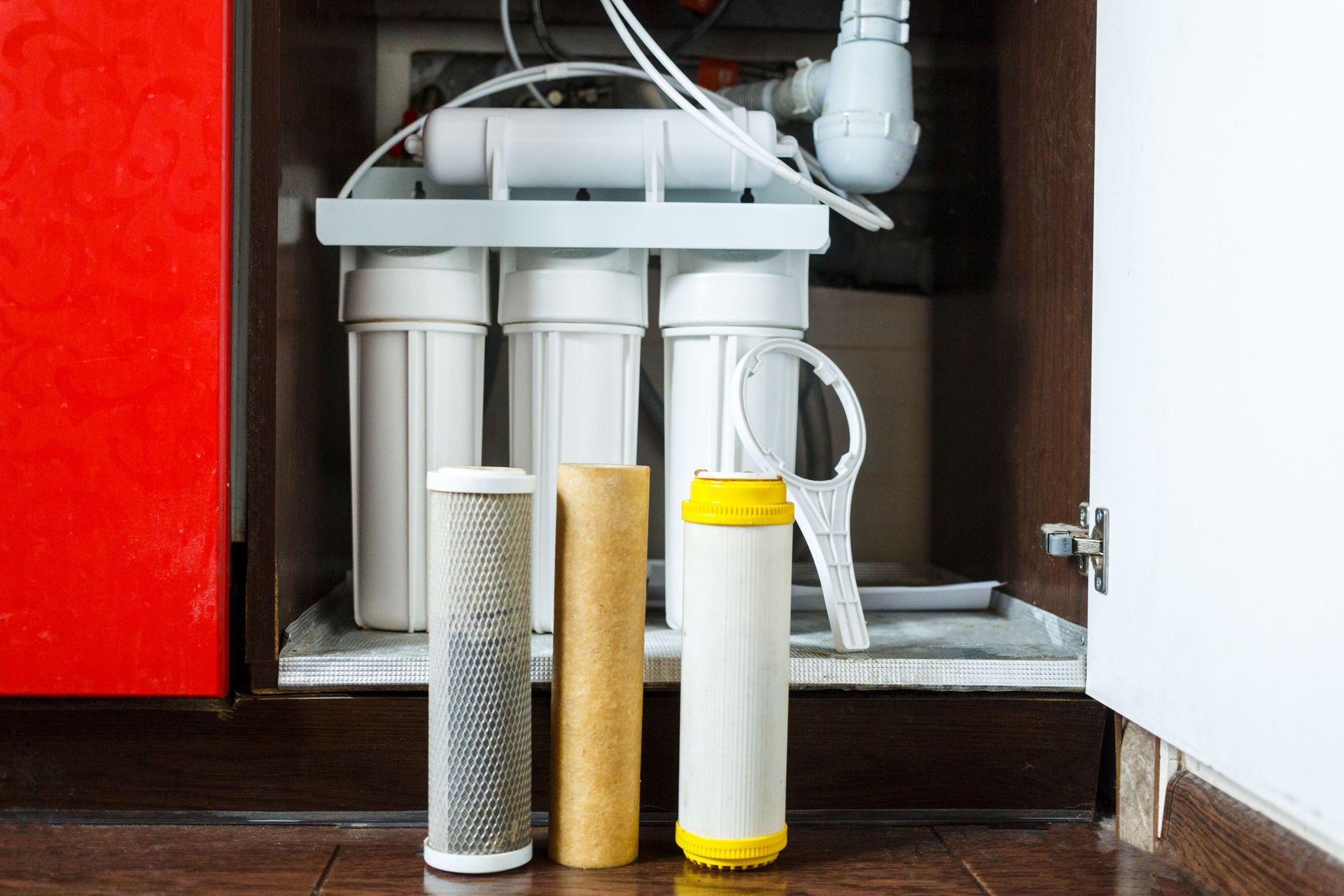
Portable water purification systems employ various technologies to eliminate contaminants and pathogens from water. Typically, these systems utilize filtration and ultraviolet (UV) light to purify water, making it safe for consumption. Filtration systems often use activated carbon-block filters that physically sift out impurities, including harmful bacteria and protozoa. This added layer of protection helps ensure safer drinking water in unpredictable environments.
In addition to filters, UV light purification systems provide a chemical-free method of water treatment. By exposing water to ultraviolet rays, these systems effectively inactivate microorganisms, preventing their growth and reproduction. Chemical treatments often involve the use of iodine or chlorine tablets, which are added to the water to kill bacteria and viruses. These additional treatment options allow users to adapt their purification approach based on their situation.
Each method varies in terms of efficiency, cost, portability, and speed, making it essential for users to select the appropriate system based on their needs. Some devices even incorporate multiple purification technologies to ensure a broad spectrum of protection. Consequently, these systems have become indispensable tools, especially in regions where the infrastructure for safe drinking water is lacking or unreliable. As demand increases, manufacturers continue to innovate to make these systems more accessible and efficient. These ongoing advancements help ensure that more people worldwide can reliably access safe, clean drinking water.
Enhance Accessibility Through Portability and Convenience
Portable water purification systems offer a myriad of benefits that enhance their global appeal and effectiveness in tackling water safety issues. One significant advantage is their portability, making them ideal for use during emergencies, outdoor activities, or in areas with limited access to treated water. Their compact size and lightweight design ensure they can be carried easily by individuals or included in emergency preparedness kits. This convenience allows people to access clean drinking water wherever they are.
Additionally, these systems are cost-effective compared to traditional water treatment processes and bottled water purchases. The short-term investment in a quality portable purification system can lead to substantial long-term savings, as it reduces the need for continually purchasing bottled water. This affordability helps make safe drinking water accessible to communities and individuals of varying economic backgrounds. As a result, portable systems can relieve financial burdens on households and organizations alike.
Lastly, portable water purification systems can significantly improve public health by reducing the incidence of waterborne diseases. By providing a reliable method of treating potentially contaminated water, they help prevent illnesses such as cholera and dysentery. According to the World Health Organization, roughly 2 billion people around the globe rely on drinking water sources that are tainted with fecal contamination. This highlights the critical need for such solutions, ultimately saving lives and improving the quality of life for millions worldwide. Their widespread use can play an important role in strengthening global health resilience.
Support Relief Efforts in Disaster and Refugee Settings
Portable water purification systems provide vital benefits to diverse groups and individuals who struggle with limited access to clean water. Humanitarian and aid organizations often employ these systems during disaster relief efforts, where immediate access to clean water is crucial. They provide an effective solution in refugee camps, post-disaster areas, and communities without reliable water treatment infrastructure. Their reliability in crises makes them indispensable for emergency response teams.
Outdoor enthusiasts and travelers also gain immense value from portable purification systems. Backpackers, hikers, and campers frequently traverse remote areas where potable water sources are scarce, requiring them to rely on local water bodies. In such scenarios, these systems ensure safe hydration and mitigate the risk of contracting waterborne illnesses from untreated water sources. This added peace of mind encourages more people to explore remote destinations with confidence.
Finally, individuals living in regions with inadequate water treatment facilities stand to benefit significantly from portable systems. In areas where water supply is unreliable or susceptible to contamination due to infrastructure failures or environmental pollution, these systems offer a dependable alternative. By providing a means to purify water on demand, they empower local communities to take control of their water safety and improve health outcomes. Over time, this autonomy can contribute to enhanced community resilience and stability.
Assess Needs and Choose Systems That Fit Your Situation
Choosing the right portable water purification system requires careful consideration of various factors to ensure effectiveness and suitability. The first step is to assess the specific contaminants prevalent in the water sources you'll be accessing. Certain systems are better suited for filtering out particular types of impurities, such as bacteria, viruses, or chemical pollutants. A proper assessment ensures users invest in a system that will genuinely meet their needs.
Another critical factor is the system's capacity and flow rate, which determine how much water can be purified quickly. For individuals or small groups, a compact filter with a moderate flow rate may suffice. However, for larger groups or communities, a system with a higher capacity may be necessary to meet demand efficiently. Understanding expected usage prevents shortages and ensures a consistent supply of safe water.
Lastly, ease of use and maintenance are important considerations when choosing a portable water purification system. Systems that require minimal technical expertise are preferable, especially in emergencies or for users with limited experience. Additionally, selecting devices with easily replaceable filters or components can extend the system's lifespan and reliability. By weighing these factors, users can select a system that best suits their needs and ensures access to safe drinking water, regardless of circumstances. Proper planning leads to more reliable and sustainable water purification solutions.
Portable water purification systems play a pivotal role in addressing the pressing global challenge of water safety, offering a versatile solution that is both efficient and practical. By enabling access to clean drinking water in diverse settings, these systems provide a lifeline to populations in need and significantly reduce the risk of waterborne diseases. Their adaptability and effectiveness underscore the importance of widespread adoption and continual advancement in this essential technology. Encouraging the integration of portable water purification systems into emergency planning, recreational activities, and everyday use requires collective action and awareness. By embracing portable water purification systems, we can move closer to securing the fundamental human right of safe drinking water for all. Another step forward is promoting global education efforts that highlight the importance of clean water and effective purification practices. Reach out to Noah Water Systems Inc to learn more today.






Share On: