Adapting to the New Era of Emergency Water Response
The shifting dynamics of global weather patterns and the increasing frequency of natural disasters demand a fundamental rewrite of our crisis management playbooks. Traditional centralized infrastructure, while efficient during times of peace, represents a fragile single point of failure when severe environmental emergencies strike. When the main power grid fails or treatment facilities flood, communities find themselves facing immediate, life-threatening resource shortages.
Modern emergency management relies on the swift transition from static utilities to dynamic, localized logistics. Waiting for municipal pipelines to undergo repairs during a catastrophic event is a strategy fraught with logistical delays and unnecessary danger. Implementing portable water purification systems empowers first responders to establish immediate, independent treatment hubs directly within affected neighborhoods.
The traditional reliance on bottled water shipments has proven to be an inefficient stopgap during major grid collapses. Roads are frequently blocked by debris, rendering conventional delivery trucks entirely useless. Transitioning toward decentralized technology allows local leaders to secure their own supplies without waiting for external aid convoys.
Assessing the Vulnerabilities of Modern Infrastructure
Centralized utility grids face unprecedented operational threats from severe weather anomalies, seismic activity, and sophisticated cyber attacks. When a primary municipal treatment plant loses structural integrity or electrical power, entire metropolitan areas lose access to safe hydration. This dangerous dependency highlights the critical flaws inherent in traditional, rigid urban planning paradigms.
Emergency management agencies now universally recognize that relying solely on subterranean pipelines poses an unacceptable public safety risk. Developing decentralized backup networks has transformed from an optional safety measure into a foundational pillar of modern civic resilience planning. Utilizing portable water purification systems effectively bridges the gap between sudden infrastructure collapse and the eventual restoration of standard utilities.
Without these agile safety nets, cities risk complete paralysis during extended power outages. Civic leaders are actively shifting budgets away from static storage tanks and toward versatile, mobile assets. This strategic pivot ensures that unexpected contamination events do not compromise public health on a massive scale.
Quantifying the Global Hydration Crisis
The absolute necessity for rapid field filtration technology becomes strikingly clear when analyzing broader public health data. Contaminated water supplies present an ongoing, pervasive global threat that intensifies exponentially in the immediate aftermath of hurricanes or floods. Without immediate technical intervention, displaced populations are forced to rely on compromised local sources, sparking secondary health crises.
According to Research Nester, at least 1.7 billion people globally use a drinking water source contaminated with microbial contamination. This staggering baseline statistic highlights the immense vulnerability that already exists before a major natural disaster even occurs. Relying on portable water purification systems allows humanitarian teams to actively mitigate these widespread biological hazards during complex field deployments.
Addressing this global deficit requires a coordinated effort between equipment manufacturers and emergency planners. By understanding the sheer scale of the global biological threat, rescue agencies can better prepare their logistical responses. Having the correct technology ready prevents minor local accidents from spiraling into uncontrollable regional epidemics.
Implementing Mobile Filtration Technology
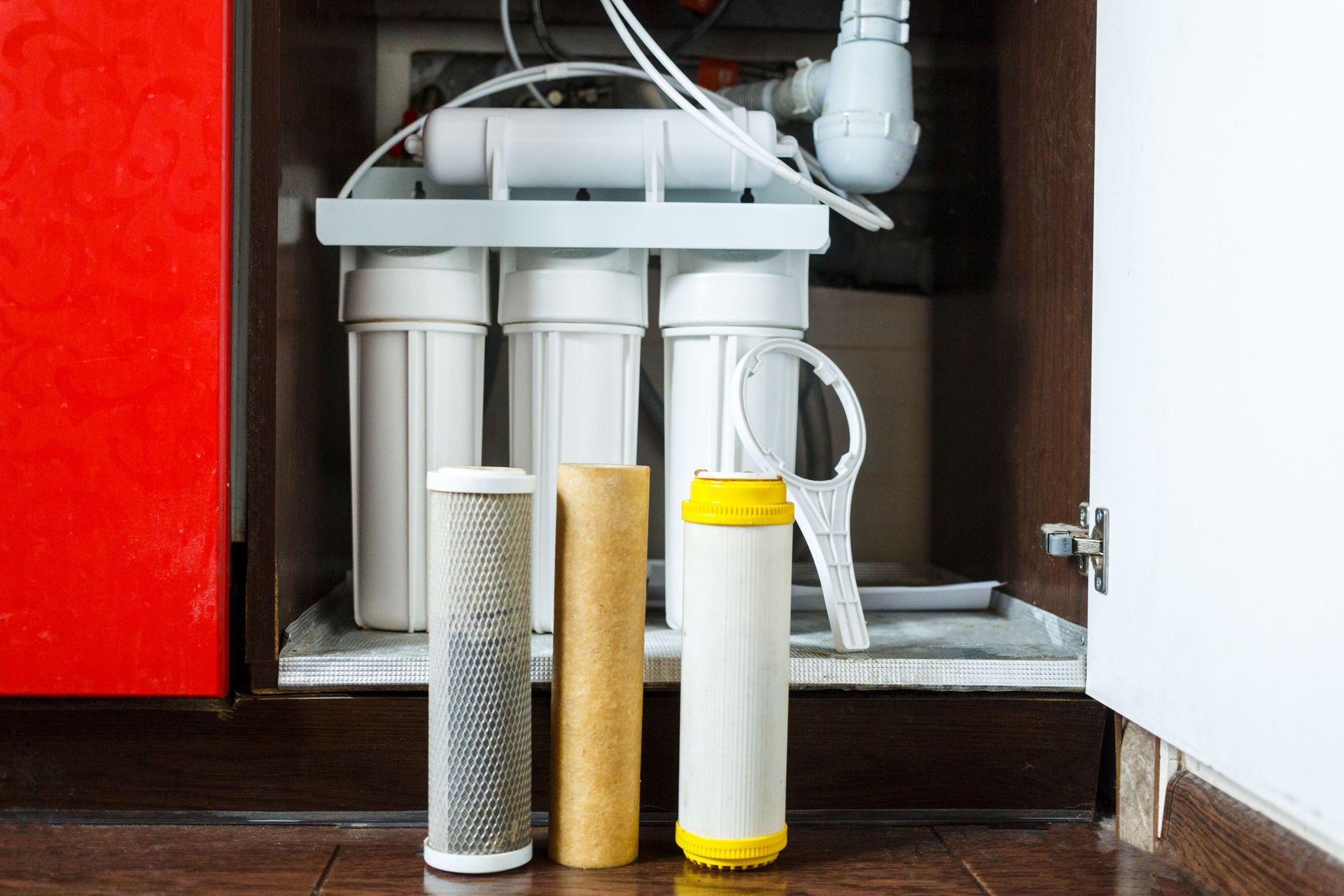
Field operators require heavy-duty equipment that can withstand punishing environmental conditions while maintaining high volumetric output. Modern tactical filtration gear utilizes advanced multi-stage membranes to effectively strip away microscopic pathogens, dangerous chemicals, and heavy sediment. These specialized units must operate completely independently of commercial electrical grids to remain genuinely useful in disaster zones.
- Solar array compatibility for indefinite off-grid operations.
- Lightweight aerospace framing for rapid manual transportation across debris.
- Intuitively color-coded valves for uncomplicated, tool-free field maintenance.
- High-pressure pumps capable of drawing from deep underground wells.
Choosing highly versatile machinery allows emergency response teams to treat highly diverse raw sources, including turbulent rivers and stagnant industrial runoff. Having dependable portable water purification systems ensures that rescue crews can generate pristine, life-saving drinking supplies from nearly any accessible surface water. This tactical adaptability eliminates the traditional delays associated with shipping heavy bottled supplies into active disaster areas.
Furthermore, the simplicity of modern mechanical designs ensures that field operators can perform repairs without specialized engineering degrees. When a component wears down during continuous operation, quick-change filters allow for seamless maintenance. This user-friendly approach keeps the filtration process moving without costly downtime during critical operational windows.
Training First Responders for Rapid Deployment
Advanced technology cannot successfully resolve a humanitarian crisis without comprehensive, ongoing training programs for the personnel operating the machinery. Emergency workers must possess the technical knowledge required to analyze raw source variables and configure complex filtration loops under extreme stress. Regular simulation exercises ensure that local field teams can establish functional treatment stations without wasting precious minutes.
Operational readiness also dictates strict adherence to routine maintenance schedules and keeping critical replacement components packed alongside primary gear. Integrating portable water purification systems into standard regional disaster preparation drills builds vital operational familiarity among volunteer groups and civic workers. Well-prepared operators can seamlessly transform a chaotic scene into an organized, self-sufficient relief hub very quickly.
When volunteer teams are thoroughly familiar with their gear, setup errors decrease dramatically. Mock disaster scenarios allow teams to test their deployment speeds under simulated high-stress conditions. These educational investments pay massive dividends when real-world emergencies require flawless, rapid execution.
Sustaining Displaced Populations Through Innovation
Long-term displacement camps require robust, highly scalable utility solutions that can support thousands of individuals for weeks or months. Handing out individual plastic bottles is an incredibly expensive, logistically exhausting, and environmentally damaging method of long-term supply distribution. Mobilizing high-capacity, rugged treatment machinery provides a continuous, reliable flow of purified hydration directly to the heart of the camp.
- Minimizes plastic waste accumulation in fragile ecological recovery zones.
- Lowers total transportation overhead expenses for non-profit relief agencies.
- Promotes a psychological sense of community stability for displaced families.
- Enhances the overall sanitation levels of temporary medical tents.
Investing in durable, high-efficiency field filtration units structurally strengthens the overall operational capacity of non-governmental humanitarian organizations worldwide. Deploying rugged portable water purification systems completely revolutionizes how international aid workers manage the logistical nightmare of supply chain distribution.
As temporary camps transition into semi-permanent settlements, the need for steady utility management grows exponentially. Reliable on-site processing units protect camp populations from the waterborne diseases that frequently plague crowded environments.
Mitigating Biological Threats in Main Streams
Receding floodwaters create ideal breeding grounds for dangerous waterborne pathogens that spread with alarming speed through dense populations. If public health teams fail to secure clean, uncontaminated supplies immediately, preventable outbreaks can quickly incapacitate an entire region. Fast filtration intervention effectively halts the transmission vectors of dangerous illnesses before they overwhelm local field hospitals.
Modern tactical response teams rely on sophisticated, multi-tiered chemical and physical barriers to guarantee purity under the worst possible conditions. Trusting portable water purification systems gives incident commanders absolute confidence that their frontline staff and civilian victims remain fully protected.
The secondary waves of illness following a natural disaster often cause more casualties than the initial physical impact. By isolating and treating raw water immediately, environmental health officers can neutralize these invisible dangers.
Successfully adapting to this demanding new era of emergency response requires access to top-tier equipment and professional guidance. True disaster readiness means proactively upgrading your regional response stockpiles before a major crisis compromises your municipal utility network. Resource managers must evaluate their current emergency inventories and systematically replace outdated, heavy filtration machinery with nimble solutions.
Securing your community against future climate disruptions begins with comprehensive planning and the acquisition of dependable, field-tested filtration hardware. Discover how specialized
portable water purification systems can safeguard your local organization by contacting the experienced engineering team at Noah Water Systems Inc today.








Share On: