How Rapid-Deployment Water Systems Save Lives in Disaster Zones
In the aftermath of natural disasters and humanitarian crises, access to clean and safe drinking water can become a critical concern. Damaged infrastructure, disrupted water supplies, and limited access to established utilities can make it difficult for affected populations to obtain the water they need. Rapid-deployment water filtration systems provide an option for producing drinking water from available freshwater sources. Understanding how these systems work and where they can be used helps illustrate their role in disaster response and other challenging environments.
Critical Water Needs
Address Water Scarcity
Natural disasters can disrupt established water infrastructure and limit access to safe drinking water. Flooding, damaged facilities, and other disruptions can leave communities without dependable access to conventional water supplies. Purification systems can help address these challenges by treating available water sources and producing drinking water in locations where conventional infrastructure may be limited.
Water scarcity during an emergency can affect drinking, cooking, sanitation, and other basic needs. Purification systems provide an option for treating water from sources such as wells, lakes, rivers, streams, reservoirs, ponds, marshes, rain collection tanks, dams, swimming pools, and polluted floodwaters. This flexibility can make water filtration equipment useful across different disaster-response and humanitarian environments.
Provide Safe Drinking Water
Safe drinking water is essential during emergency situations. When a disaster disrupts conventional water infrastructure, purification equipment can provide an independent source of drinking water using available freshwater sources. This capability is particularly relevant in disaster relief, humanitarian operations, refugee settings, military emergencies, and other remote environments.
Purification systems can also support sanitation needs by providing access to water for basic hygiene. While the equipment is designed specifically for water purification rather than general sanitation services, having a source of treated drinking water can help organizations address important water needs while responding to changing conditions. The equipment can provide an option when conventional sources are limited or unavailable.
Respond to Immediate Needs
Access to drinking water can be an important part of disaster response. Purification systems are designed for use in challenging environments and can be transported to locations where conventional water infrastructure is unavailable or compromised. The Trekker provides a compact option for smaller operations, while the higher-capacity Nomad is designed to produce substantially greater volumes of drinking water.
Purification equipment can also be included in disaster preparedness inventories. Having systems available before an emergency occurs gives organizations an option for producing drinking water when conventional supplies are disrupted. Their applications include disaster relief, humanitarian response, military emergencies, and other situations where water purification is needed.
Purification Technology
Use Four-Stage Purification
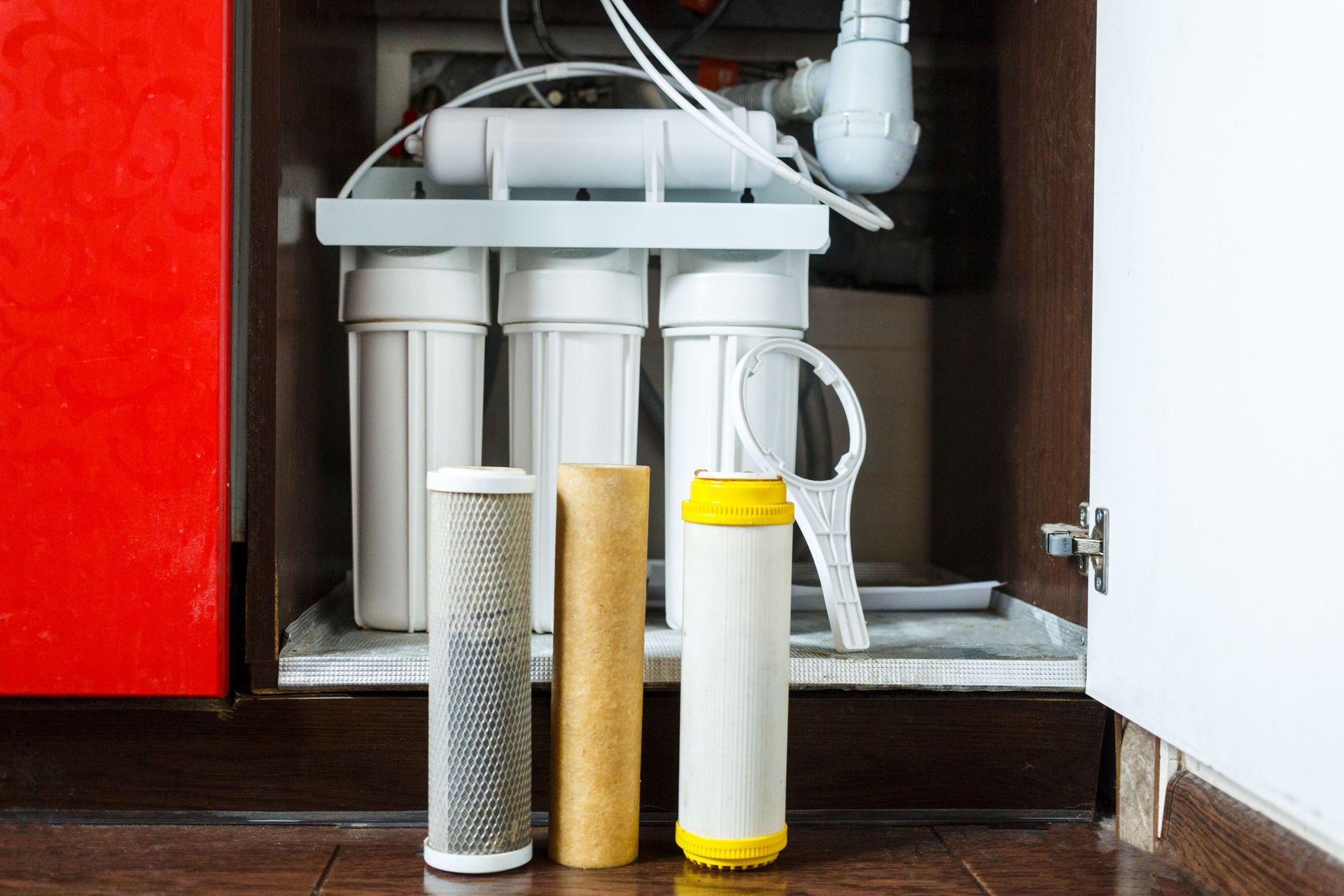
Purification systems can combine multiple treatment stages to address different types of material and microorganisms in source water. The Trekker and Nomad use a four-stage purification process consisting of sediment filtration, carbon-block filtration, and ultraviolet treatment. This water filtration process uses multiple stages to treat source water before it is provided for drinking.
Filtration screens out larger debris before the water enters the primary filtration stages. Sediment filtration then removes suspended material such as sand, silt, scale, dirt, and mud. Carbon-block filtration provides additional mechanical and chemical filtration, including filtration of particulate matter.
The final ultraviolet treatment stage uses UV exposure to inactivate microorganisms before the purified water is provided for drinking. According to the CDC, a filter with an absolute pore (hole) size of 0.3 micron or smaller will remove bacteria and parasites. This information provides additional context for understanding how filtration specifications relate to the treatment of drinking water.
Filter Available Water
Purification equipment can be used with a variety of freshwater sources. Depending on the system and application, potential sources include wells, lakes, rivers, streams, reservoirs, ponds, marshes, rain collection tanks, dams, swimming pools, and polluted floodwaters. Treating available water sources can be particularly useful in remote or disaster-affected environments where established drinking-water infrastructure may not be readily accessible.
Water filtration equipment can provide an option for treating available sources when conventional drinking-water supplies are disrupted. The type of source and the conditions surrounding its use can affect how purification equipment is applied. Purification systems are designed to give organizations another method for addressing drinking-water needs in challenging environments.
Build for Easy Use
Portability is central to the design of these purification systems. The Trekker is a compact unit housed in a watertight case. It operates on common 12-volt DC power sources, including vehicle batteries and solar packs, making it suitable for remote field environments.
The Nomad is designed for higher-volume applications and is housed in two custom-built flight cases with built-in skids. It includes a Honda gasoline generator and pump, along with a quick-connect hose system designed to simplify assembly. These features support transportation and operation in disaster-response, humanitarian, military, and remote settings.
Practical Field Operation
Simplify Field Setup
Purification equipment is designed for practical use in demanding environments. The Nomad's quick-connect hose system supports rapid assembly, while its transport cases help make the equipment easier to move between locations. The Trekker's compact case design provides another option when portability and ease of transport are important considerations.
Product manuals provide specifications, setup information, and maintenance guidance for the equipment. Training modules can also be provided with deployments to help on-site personnel operate, monitor, and perform basic service on the machinery. These resources can help personnel understand the equipment and its routine field requirements.
Support Remote Operations
Purification systems can serve organizations operating in locations where conventional water infrastructure is limited or unavailable. Applications identified for these systems include remote villages, work camps, military operations, research environments, disaster-relief settings, and other off-grid locations. These applications can require equipment that is practical to transport and operate outside established infrastructure.
The systems can also accommodate different operating conditions. The Trekker's 12-volt power configuration allows it to use vehicle batteries or solar packs, while the Nomad includes its own gasoline generator and pump. These options provide flexibility when standard electrical infrastructure is not readily available.
Broad Disaster Response Applications
Support Humanitarian Efforts
Water purification systems can support humanitarian organizations that need drinking water in challenging environments. Applications include disaster zones, refugee settings, medical and missionary operations, remote villages, and other locations where access to conventional water supplies may be limited. This equipment can provide an option for treating available water in these settings.
Adapt to Field Conditions
Purification equipment may be used across a wide range of environments, from disaster zones and refugee settings to remote worksites and villages. The Trekker and Nomad are designed for these types of challenging conditions, with features intended to support transportation, operation, and maintenance in the field. These characteristics can help accommodate applications where conventional infrastructure is limited.
Ongoing technical and asset-management support can also help organizations throughout the equipment lifecycle. Technical guidance, training resources, manuals, and maintenance information provide additional support for organizations using purification systems in demanding environments. These resources can help personnel manage routine equipment needs during field operations.
Rapid-deployment water systems offer a practical way to produce drinking water when conventional infrastructure is limited, disrupted, or unavailable. With multi-stage purification, field-ready maintenance features, and flexible power options, these systems can support disaster relief, humanitarian operations, military emergencies, remote worksites, and other off-grid applications. Noah Water Systems Inc provides Trekker and Nomad purification systems along with training, technical support, maintenance resources, and worldwide shipping. To learn more about these water purification solutions, explore the available systems and their applications.


Share On: