3 Common Well Water Contaminants and How Water Purification Systems Remove Them
This article provides an in-depth exploration of common contaminants found in well water and the various water purification systems available to effectively remove them. Understanding these contaminants and their health implications is essential for ensuring the safety and quality of well water. Access to clean water is a crucial aspect of public health, yet many private well owners are unaware of the potential risks that contaminants pose. Unlike municipal water systems, private wells are maintained and managed by individual users, making it critical for well owners to regularly test their water. According to the EPA, about 10 percent of people in the United States rely on water from private wells which are not regulated under the Safe Drinking Water Act (SDWA).
1. Bacteria and Microorganisms
1.1. Types of Bacteria Commonly Found in Well Water
Bacteria and microorganisms are among the most common contaminants found in well water. They include naturally occurring bacteria as well as pathogens like E. coli and coliform bacteria. E. coli is often associated with fecal contamination from human or animal waste, which can enter water supplies due to surface runoff. Coliform bacteria, while not necessarily harmful, serve as indicators of water quality and potential pathogens. Testing regularly for these bacteria can prevent potential health risks associated with contaminated water supplies.
1.2. Health Risks Associated with Bacterial Contamination
The presence of bacteria and microorganisms in well water can pose significant health risks. Pathogenic bacteria, such as certain strains of E. coli, can cause severe gastrointestinal illness, leading to symptoms like diarrhea, vomiting, and nausea. Infants, the elderly, and individuals with compromised immune systems are particularly vulnerable to these infections. Continuous exposure to contaminated water can lead to chronic gastrointestinal issues and other health complications. Understanding these health risks underlines the importance of maintaining a water purification system.
1.3. Testing for Bacterial Contaminants
Regular testing for bacterial contaminants is vital for ensuring the quality of well water. Simple home testing kits can identify the presence of coliform bacteria, though laboratory analysis may be necessary for more detailed results. The presence of coliforms usually triggers the need for testing of E. coli. It is recommended that private well owners test their water at least once a year for bacterial contamination. Depending on the results, additional actions might be needed to ensure water safety.
1.4. Water Purification Techniques to Remove Bacteria
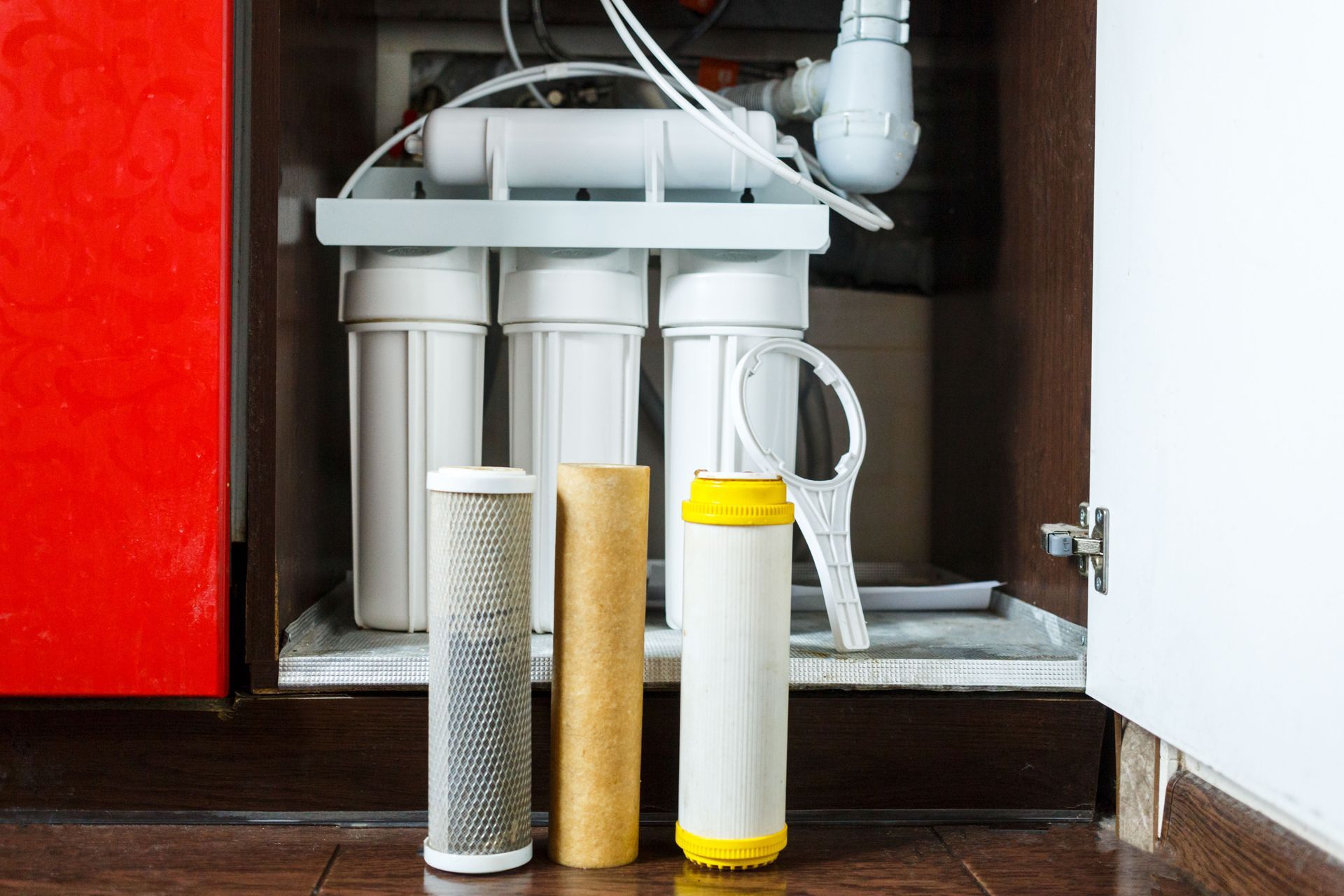
There are several effective water purification techniques to remove bacteria from well water. UV filtration systems use ultraviolet light to deactivate the DNA of bacteria, making them harmless. Chlorination, a common method for disinfection, involves adding chlorine to water to kill bacteria and other microorganisms. Both methods are effective, but each comes with specific maintenance requirements to remain effective. Ensuring that these systems are properly sized and maintained is essential for protecting against bacterial contamination.
1.5. Maintenance to Prevent Bacterial Contamination
Preventive maintenance of well systems is crucial to minimize the risk of bacterial contamination. This includes ensuring the integrity of well casing and sealing any cracks or leaks that might allow contaminants to seep in. Regularly cleaning and inspecting water storage tanks can also help prevent bacterial growth. Keeping the area around the well clear of contamination sources, such as animal waste, is another useful practice. In addition, maintaining and regularly servicing water purification systems ensures their continued effectiveness against bacteria.
2. Nitrates and Nitrites
2.1. Sources and Causes of Nitrate Contamination
Nitrate contamination in well water primarily originates from agricultural activities. The extensive use of fertilizers and manure can lead to nitrate runoff, especially during heavy rainfall or irrigation. Septic systems improperly maintained or placed too close to wells can also contribute to nitrate levels in water sources. Over-application of fertilizers on residential lawns adds to the risk. Awareness of these sources is essential for managing nitrate contamination risk effectively.
2.2. Impact of Nitrate/Nitrite on Human Health
Nitrates and nitrites can pose serious health risks upon ingestion. High nitrate levels in drinking water are linked to methemoglobinemia, commonly known as \"blue baby syndrome,\" which affects the oxygen-carrying capacity of an infant's blood. This is a particular concern for infants under six months old who consume large quantities of formula made with contaminated water. Long-term exposure to nitrates is also associated with an increased risk of certain cancers. Understanding these health impacts emphasizes the need for stringent management and mitigation strategies.
2.3. Testing Procedures for Nitrate Levels
Testing for nitrates and nitrites in well water is a straightforward process, but it needs to be done regularly. Home testing kits can provide initial screening, but laboratory tests offer more precise measurements. Seasonal testing, especially after heavy rainfalls or during agricultural harvests, can help in early detection. It's important to compare the results to regulatory guidelines to determine if action is needed. Consistent monitoring ensures that nitrate levels remain within safe limits.
2.4. Nitrate Removal Solutions
There are several effective methods for removing nitrates from well water. Ion exchange systems are widely used, employing resins to swap nitrate ions with other harmless ions like chloride. Reverse osmosis is another effective method, which forces water through a semi-permeable membrane to filter out contaminants. Biological denitrification, although less common for residential use, employs specialized bacteria to convert nitrates into nitrogen gas. Choosing the right system depends on specific water quality needs and system maintenance requirements.
2.5. Legislative Guidelines and Limits for Nitrates
Nitrate levels in drinking water are regulated to protect public health. According to the United States Environmental Protection Agency (EPA), the maximum contaminant level (MCL) for nitrates is set at 10 mg/L as nitrogen. State regulations might be more stringent, tailored to local environmental conditions. Regular compliance with these guidelines ensures safety and legal adherence. Staying updated on policy changes is essential for well owners to maintain water quality.
3. Heavy Metals
3.1. Common Heavy Metals in Well Water
Heavy metals like lead, arsenic, and mercury frequently contaminate well water and pose serious health risks. They typically enter water supplies from natural mineral deposits, industrial discharges, or deteriorating plumbing systems. Lead can leach into water through old pipe fittings, while arsenic is often found in natural ground deposits. Mercury contamination, though less common, usually originates from industrial activities and waste. Knowledge of these sources is key to managing exposure and ensuring safe water.
3.2. Long-term Health Effects of Heavy Metal Exposure
Exposure to heavy metals in drinking water has dire health consequences. Lead exposure, even at low levels, can cause neurological damage, particularly in children, affecting cognitive and behavioral development. Arsenic ingestion is linked to an increased risk of cancer, cardiovascular diseases, and diabetes. Long-term mercury exposure can damage the kidney and nervous system. These health risks underscore the need for vigilant monitoring and remediation efforts.
3.3. Detection of Heavy Metals in Water
Detecting heavy metals in well water requires sophisticated testing methods. Atomic absorption spectroscopy provides precise measurements of metal concentrations in water samples. Colorimetric testing kits offer an easier and more accessible way for initial detection of certain heavy metals. Regular testing ensures that contaminant levels are controlled and monitored effectively. Adopting comprehensive testing frameworks aids both in compliance and in safeguarding health.
In conclusion, understanding well water contaminants and the role of advanced purification systems is crucial for ensuring safe and potable water. Regular testing, along with implementing effective purification methods, safeguards against various health risks. Well owners are encouraged to stay informed about potential contaminants and maintain their systems diligently. Employing preventive measures and best practices ensures long-term water safety and quality. Taking these proactive steps protects both the environment and public health. Be sure to reach out to Noah Water Systems Inc today to learn more about our professional water purification systems!






Share On: