Simple Ways Water Filtration Improves Your Health and Home
Clean water is an important part of maintaining a healthy and comfortable home. From drinking and cooking to bathing and cleaning, households depend on water throughout the day for countless activities. Although municipal and private water supplies are generally treated, contaminants can still enter water through various sources or affect its taste, odor, or appearance. Installing an appropriate filtration system can provide an additional level of treatment tailored to household needs. Beyond drinking water, cleaner water can influence everyday routines and the condition of certain fixtures and appliances. According to the Environmental Protection Agency, the average American household uses roughly 82 gallons of water per person each day at home, highlighting the importance of having effective purification and treatment solutions. Choosing the right system requires considering the home's water source, existing concerns, and desired level of treatment. With a thoughtful approach, homeowners can enjoy cleaner water while supporting a more comfortable and efficient household.
Improving Drinking Water Quality
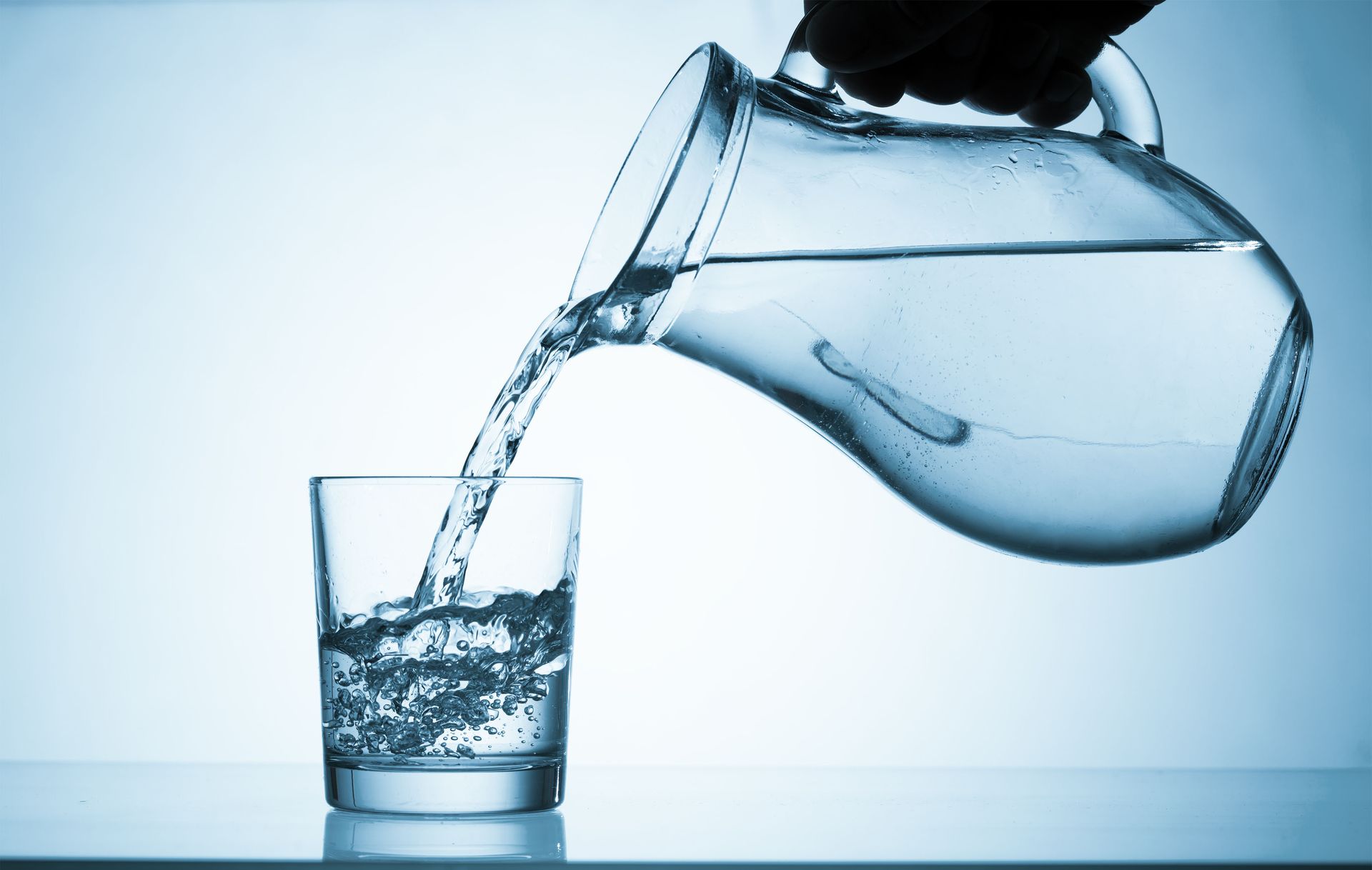
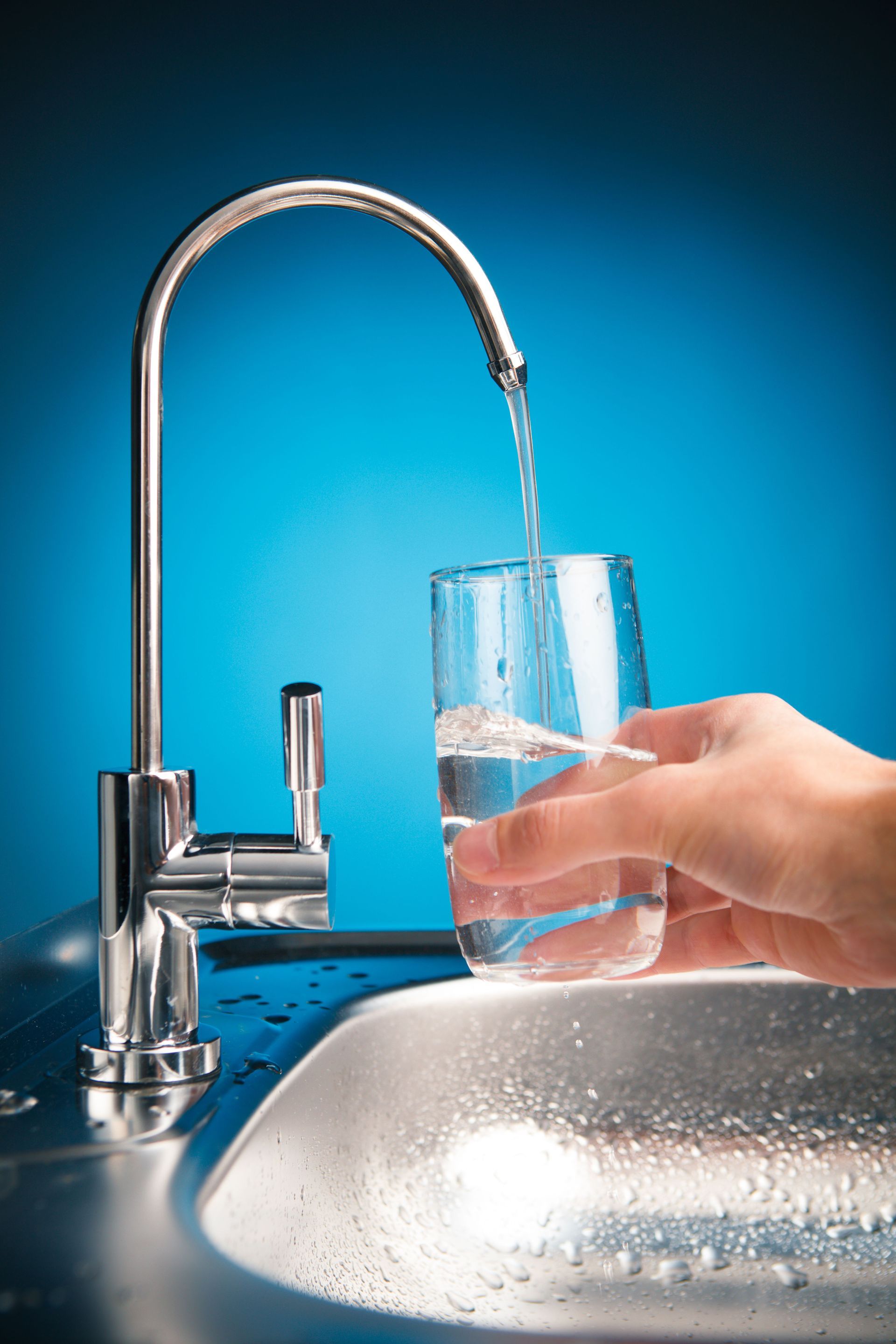
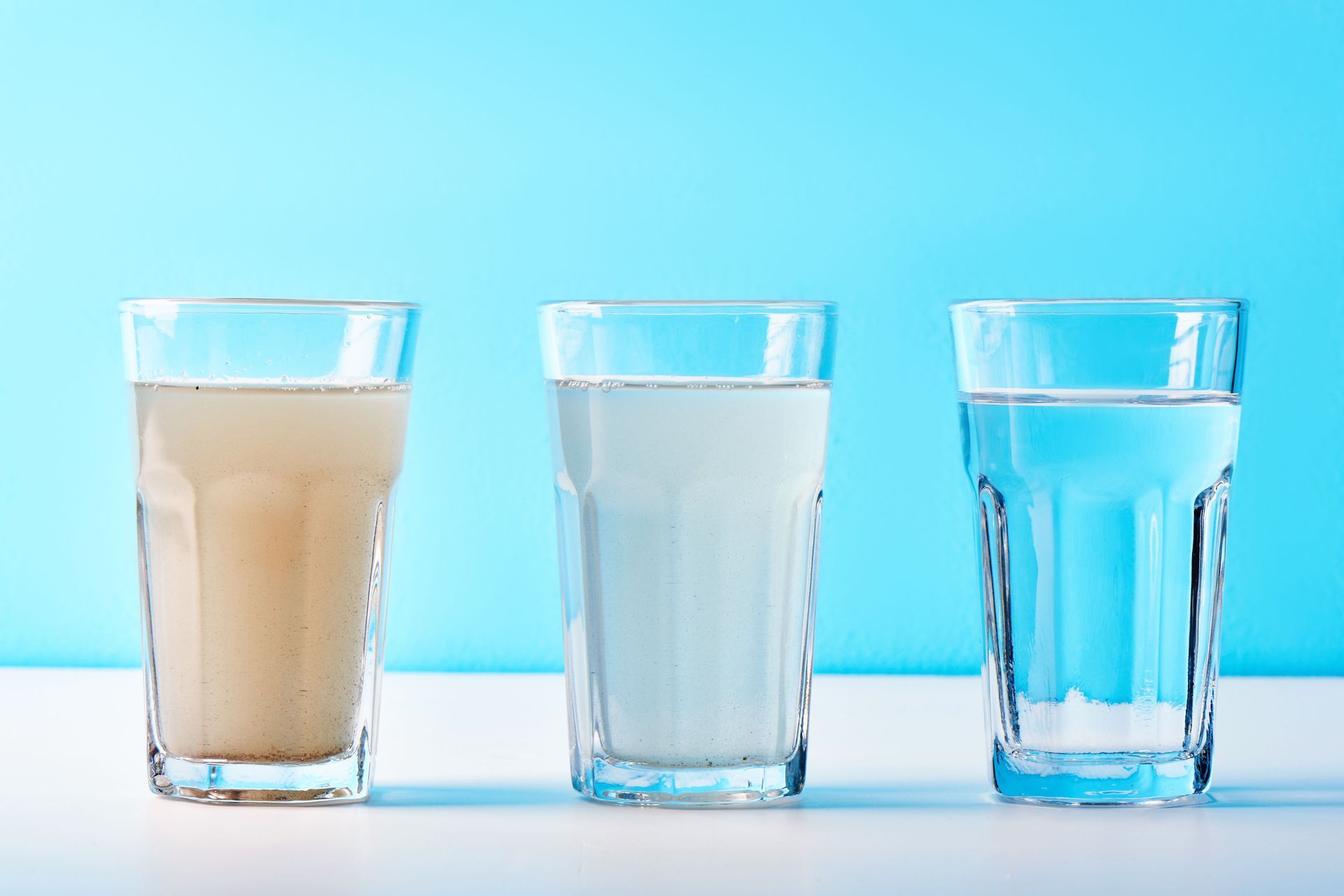
One of the simplest benefits of water filtration is having cleaner-tasting water available at home. Depending on the local supply, tap water can contain minerals or other substances that affect its taste or odor. A properly selected filter can reduce certain unwanted substances and make drinking water more appealing. This may encourage household members to choose tap water more often instead of relying on bottled alternatives. Filtration can also provide a convenient source of treated water for filling reusable bottles throughout the day. The specific results depend on the type of filter and the contaminants it is designed to address. Homeowners should review their water quality and choose equipment that targets their particular concerns. Having treated water readily available can make hydration and everyday kitchen routines more convenient.
Supporting Better Cooking Results
The quality of water used in food preparation can influence everyday cooking experiences. Water is an ingredient in many meals, beverages, soups, sauces, and baked goods, so its taste can sometimes affect the finished result. Water filtration can help reduce certain substances that contribute to unusual flavors or odors. Cleaner water can therefore provide a more neutral foundation for preparing food and drinks. It can also be useful when making coffee, tea, ice, or other items where water makes up a significant portion of the final product. Different filtration technologies target different substances, so homeowners should select a system based on their specific water conditions. Professional guidance can help determine which type of equipment makes sense for a particular household. Improving the water used in the kitchen can be a small change that supports a more enjoyable cooking routine.
Reducing Unwanted Water Odors
Unusual odors coming from a faucet can make otherwise usable water less appealing. Certain naturally occurring substances or treatment-related compounds may contribute to noticeable smells in some water supplies. A suitable filtration system can address particular substances responsible for these concerns when the equipment is designed for that purpose. Water filtration may therefore improve the sensory experience of using water throughout the home. Cleaner-smelling water can make drinking, cooking, and other everyday activities more pleasant. Homeowners should avoid assuming that every filter removes every possible contaminant or odor-producing substance. Testing the water can help identify what is present and guide the selection of an appropriate treatment method. Addressing the underlying water-quality concern can provide a more effective solution than simply masking an unpleasant smell.
Protecting Household Plumbing
Water quality can also affect plumbing fixtures and components over time. Minerals present in some water supplies may contribute to deposits that accumulate inside faucets, showerheads, and other fixtures. These deposits can affect appearance and may interfere with normal water flow when buildup becomes significant. Water filtration can help reduce certain substances depending on the system selected and the quality of the incoming supply. Reducing unwanted mineral content may help homeowners maintain cleaner-looking fixtures and simplify some routine cleaning tasks. However, filtration and water softening address different water-quality concerns, so the appropriate treatment should be selected based on testing and professional recommendations. A properly designed system can become part of a broader strategy for maintaining the home's plumbing. Paying attention to water quality may help homeowners address concerns before they become more noticeable.
Supporting Appliance Performance
Household appliances that regularly use water can also be affected by the characteristics of the incoming supply. Coffee makers, ice machines, dishwashers, and other equipment may accumulate mineral deposits depending on the water conditions. Over time, buildup can interfere with components and make routine cleaning more demanding. Water filtration may help reduce particular substances before water reaches certain appliances. This can contribute to cleaner operation and may make maintenance routines easier in some households. The effectiveness depends on the filter technology, the water chemistry, and the appliance involved. Homeowners should continue following manufacturer cleaning and maintenance recommendations even when a treatment system is installed. Combining appropriate filtration with regular appliance care can support a more efficient household routine.
Creating More Comfortable Bathing
Water quality matters beyond the kitchen because households also use substantial amounts of water for bathing and personal care. Certain minerals or other substances in the supply can affect how water feels on the skin or interacts with soaps and shampoos. Water filtration can address some concerns depending on the contaminants involved and the technology being used. Cleaner water may make showers and other personal-care routines feel more pleasant for some households. Homeowners should recognize that whole-home treatment systems differ from point-of-use filters designed only for drinking water. Choosing equipment that matches the intended use is essential for achieving the desired results. Professional assessment can help determine whether a whole-house approach or a targeted solution is more appropriate. Improving the quality of water used throughout the home can contribute to a more comfortable daily environment.
Reducing Reliance on Bottled Water
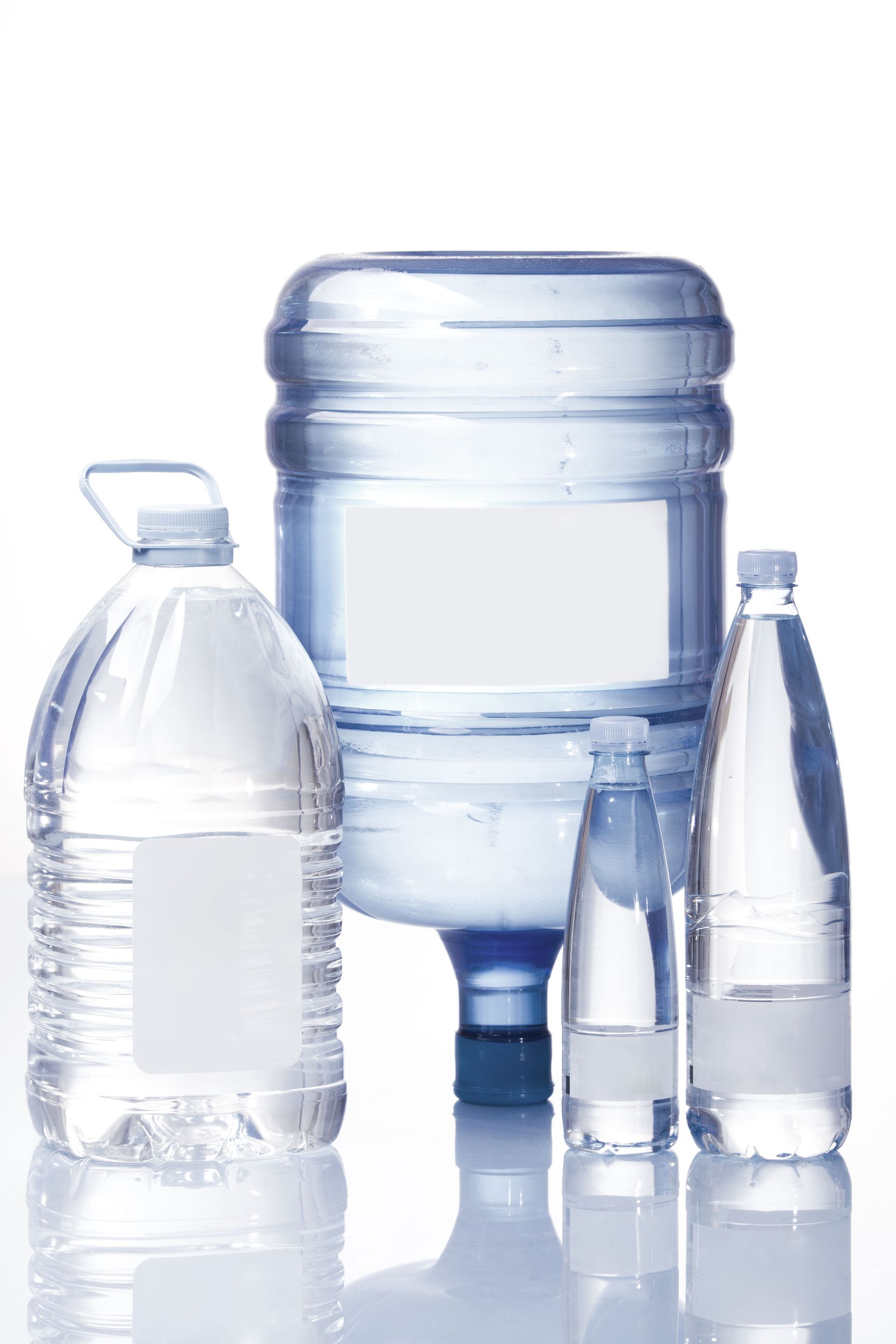
Many households purchase bottled water because they prefer its taste, convenience, or perceived quality. While bottled water can be useful in certain situations, regularly buying and storing it can become an ongoing household expense. Water filtration can provide an alternative by making treated water readily available from the home's existing plumbing. Reusable bottles and containers can then be filled at home for work, school, travel, or other activities. This approach may reduce the number of single-use containers a household purchases and manages. The overall benefit depends on individual consumption habits and the type of treatment system installed. Homeowners should still replace filters according to the manufacturer's recommendations to maintain proper performance. Having convenient access to treated water can make reusable options easier to incorporate into everyday routines.
Choosing Treatment for Your Home
Every home has different water conditions, so selecting a treatment system should begin with understanding what is actually present in the supply. Water testing can provide useful information about minerals, chemicals, microorganisms, or other characteristics that may require attention. Water filtration systems are designed with different technologies, capacities, and treatment goals, making careful selection important. A professional can help homeowners compare available options and determine where treatment equipment should be installed. Some households may benefit from a filter at a specific faucet, while others may prefer treatment throughout the home. Proper installation is also important because equipment needs to be connected and maintained correctly to function as intended. Regular filter replacement and system inspections can help preserve performance over time. By matching the treatment approach to the home's actual needs, homeowners can make a practical investment in cleaner and more convenient water.
Give your household a better water experience with a system designed around your home's specific needs. Contact Noah Water Systems Inc today to discuss your water-quality concerns and explore the right filtration solution for your home.



Share On: