The Science Behind Professional Water Filtration
Clean water is something many people rely on every day without giving much thought to what may be present beneath the surface. While municipal treatment facilities and private water systems work to provide safe water, various contaminants can still affect taste, odor, appearance, and overall quality. From naturally occurring minerals to environmental pollutants, water can contain a wide range of substances that influence how it looks and performs throughout a property.
This is where professional water filtration systems play an important role. These systems are designed using scientific principles that target specific impurities while preserving water quality. By understanding how filtration works, property owners can make more informed decisions about protecting their water supply and improving their daily experience.
The science behind filtration combines chemistry, physics, and engineering to create solutions that address diverse water concerns. Modern systems are carefully designed to remove unwanted particles, reduce contaminants, and provide cleaner water for drinking, cooking, bathing, and household use.
Understanding Contaminant Removal
The foundation of professional water filtration lies in the ability to separate unwanted substances from water. Contaminants vary widely in size, composition, and behavior, which means different filtration methods are often required to address different concerns.
Some contaminants exist as visible particles, such as sediment, dirt, or rust. Others are microscopic, including bacteria, chemical compounds, and dissolved minerals. Professional filtration systems are engineered to target these substances through carefully selected media and treatment technologies.
The removal process begins when water passes through specialized materials designed to capture, absorb, or neutralize impurities. The effectiveness of the system depends on matching the treatment method to the specific contaminants present in the water source.
Because every water supply is unique, professional assessment and system selection are essential components of achieving reliable results.
Exploring Mechanical Filtration Processes
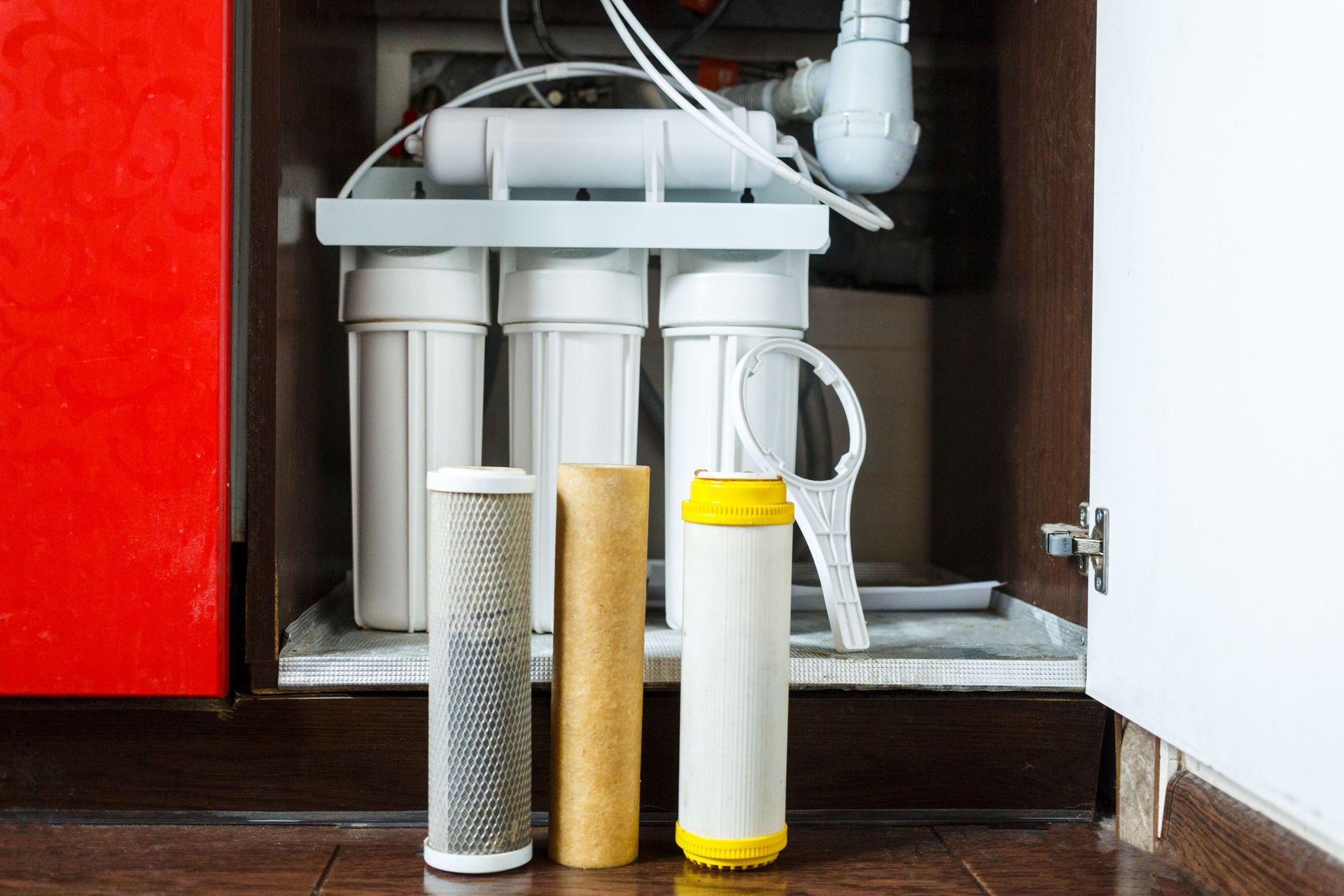
Mechanical filtration represents one of the most common scientific methods used in modern treatment systems. This process physically removes particles by forcing water through materials containing tiny openings.
As water flows through the filtration media, larger particles become trapped while clean water continues through the system. Sediment, sand, rust, and other suspended materials can often be effectively reduced using this approach.
Mechanical filtration serves an important purpose because particles left in water may contribute to a cloudy appearance, unpleasant textures, and increased wear on plumbing fixtures and appliances. Removing these materials helps create cleaner water while supporting the performance of downstream treatment equipment.
Professional systems often use multiple stages of filtration, allowing increasingly fine materials to be removed as water progresses through the treatment process. This layered approach enhances efficiency and improves overall water quality.
Examining Chemical Absorption Technology
Another important scientific principle used in professional water filtration involves chemical absorption. Certain filtration materials possess the ability to attract and hold contaminants on their surfaces.
Activated carbon is among the most widely recognized examples. Its highly porous structure creates an enormous surface area capable of interacting with various substances found in water. As water passes through the material, contaminants become attached to the carbon rather than remaining in the water stream.
This technology is frequently used to address concerns related to taste, odor, and certain chemical compounds. Many people notice immediate improvements in water quality when these unwanted substances are reduced.
The effectiveness of absorption-based treatment depends on factors such as contact time, flow rate, and the characteristics of the contaminants involved. Professional system design ensures these variables are properly balanced for optimal performance.
By combining absorption technologies with other treatment methods, comprehensive filtration solutions can address a broad range of water quality concerns.
Analyzing Advanced Filtration Methods
As water treatment technology has evolved, advanced filtration techniques have become increasingly effective at targeting difficult contaminants. These systems often rely on sophisticated scientific processes to achieve high levels of purification.
Membrane-based technologies use extremely fine barriers that allow water molecules to pass while blocking many contaminants. These specialized membranes can separate particles far smaller than those removed through conventional mechanical filtration.
Other advanced methods utilize ion exchange processes that replace unwanted dissolved minerals with more desirable elements. This approach is commonly used when addressing hardness and other mineral-related concerns.
The need for effective treatment remains significant. According to the CDC, approximately 1.1 million people in the United States experience illnesses each year linked to germs found in drinking water, highlighting the importance of reliable treatment technologies and professional system selection.
Advanced treatment solutions are typically customized to meet the specific needs of a property, ensuring the chosen technology aligns with local water conditions and desired outcomes.
Evaluating System Design and Performance
The science behind effective water filtration extends beyond individual treatment components. Overall system design plays a critical role in determining how well a filtration solution performs over time.
Professional systems are engineered to account for factors such as water pressure, flow demand, contaminant levels, and treatment objectives. Each component must work together seamlessly to maintain consistent performance.
Proper sizing is particularly important. An undersized system may struggle to keep up with demand, while an oversized system may operate inefficiently. Professional evaluation helps ensure the selected equipment matches the property’s specific requirements.
Performance monitoring is another essential aspect of filtration science. Over time, filtration media can become saturated or less effective. Scheduled maintenance and periodic assessments help maintain treatment efficiency and support long-term reliability.
A carefully designed system provides more than cleaner water. It also contributes to equipment protection, plumbing longevity, and improved household comfort.
Appreciating the Benefits of Professional Solutions
Professional water filtration offers benefits that extend well beyond basic contaminant reduction. Cleaner water can enhance the taste of beverages, improve cooking results, and contribute to a more pleasant daily experience.
Many filtration systems also help reduce the buildup of unwanted substances within plumbing fixtures and appliances. This can support operational efficiency and reduce wear caused by certain contaminants.
Professional solutions provide another important advantage: customization. Rather than relying on a one-size-fits-all approach, treatment systems can be tailored to address specific water conditions and property needs.
Water quality concerns vary significantly from one location to another. A professionally designed system considers local factors and uses appropriate technologies to deliver meaningful improvements. This targeted approach helps maximize effectiveness while supporting long-term satisfaction.
The ongoing evolution of treatment technology continues to improve filtration capabilities, giving property owners access to increasingly sophisticated solutions for maintaining high-quality water.
Understanding Long-Term Water Quality Management
Maintaining high-quality water is an ongoing process rather than a one-time solution. Professional water filtration systems are most effective when integrated into a broader strategy focused on monitoring and maintaining water quality over time.
Regular evaluations help identify changes in water conditions that may influence treatment needs. Environmental factors, aging infrastructure, seasonal variations, and shifts in local water sources can all affect water quality characteristics.
Professional service providers can assess system performance, recommend maintenance schedules, and identify opportunities for optimization. This proactive approach helps ensure treatment systems continue operating as intended.
Long-term management also includes educating property owners about their water supply and treatment options. Understanding how filtration systems function allows individuals to make informed decisions regarding maintenance and future upgrades.
By combining scientific knowledge with professional expertise, property owners can enjoy greater confidence in the quality and consistency of their water for years to come.
The science behind water filtration is rooted in proven principles that remove contaminants, improve water quality, and support healthier living environments. Through mechanical separation, chemical absorption, advanced treatment technologies, and carefully engineered system design, professional filtration solutions provide reliable results tailored to specific water conditions. Understanding these scientific processes helps property owners appreciate the value of investing in professional treatment systems that deliver cleaner, better-performing water throughout the property.
If you’re ready to explore professional water filtration solutions for your home or business, contact Noah Water Systems Inc. Together, we can evaluate your water quality needs, recommend the right treatment approach, and help ensure you have access to cleaner, more dependable water every day.




Share On: