Why Mobile Purification is the Fastest Way to Save Lives Today
Access to clean water remains one of the most pressing challenges in our modern world. While technological advances have ushered in numerous solutions over the past decades, the global water crisis persists, threatening the overall health, security, and sustainability of vulnerable communities. In response to this growing threat, mobile purification technologies have emerged as an innovative solution, offering rapid deployment and highly effective outcomes in areas where water scarcity is critical.
As the need for immediate and highly scalable solutions continues to grow, mobile purification systems shine as effective measures that can absolutely transform this grim global picture. The surge in global population, rapid climate-driven changes, and historically poor water management have collectively exacerbated the crisis, making clean water a rare commodity. Equipped to deliver potable hydration swiftly, these systems circumvent extensive permanent infrastructure, enabling them to reach underserved, remote, or disaster-stricken areas. A high-capacity water purifier plays a central role in this process, ensuring that polluted sources become safe to consume.
Addressing the Global Water Crisis
Water scarcity presents a formidable global challenge, with recent data illustrating its widespread prevalence across numerous regions. The world is not short on water, but the vast majority is locked in oceans and glaciers, making it entirely unusable for direct human consumption. Regions like Sub-Saharan Africa and remote parts of Asia are particularly affected, where severe scarcity leads to intense competition over limited resources. Detailed studies indicate that almost two-thirds of the global population experience severe water stress at least one month every year. This highlights the absolute need for adequate, sustainable solutions to mitigate the effects of water shortages.
In navigating this escalating crisis, it is essential to deeply understand which specific demographics and geographic areas face the greatest challenges. Rural populations often find themselves at a severe disadvantage due to the lack of modern infrastructure and financial investment in large-scale water treatment facilities. For many regions, especially in developing nations, the situation is dire. According to World Vision, 703 million people, roughly 1 in 11 people worldwide, lack access to clean water, a statistic that paints a stark picture of the prevailing inequalities and emphasizes the urgency for innovative solutions. Bringing a commercial water purifier to these vulnerable locations acts as a profoundly impactful measure.
Understanding Mobile Filtration Technology
Mobile purification refers to innovative mechanical systems designed to deliver clean, safe hydration directly to users without relying on permanent infrastructure. Unlike traditional treatment facilities, which require significant time and substantial financial investment to build, mobile units offer an on-the-go solution perfectly adaptable to resource-scarce environments. Their compact design and remarkable flexibility enable rapid deployment in diverse settings, from dense urban landscapes to remote villages, bridging the critical gap between need and delivery. These systems typically include advanced filtration technologies that comprehensively remove dangerous pollutants, deadly pathogens, and harmful sediments, ensuring the output meets global safety standards.
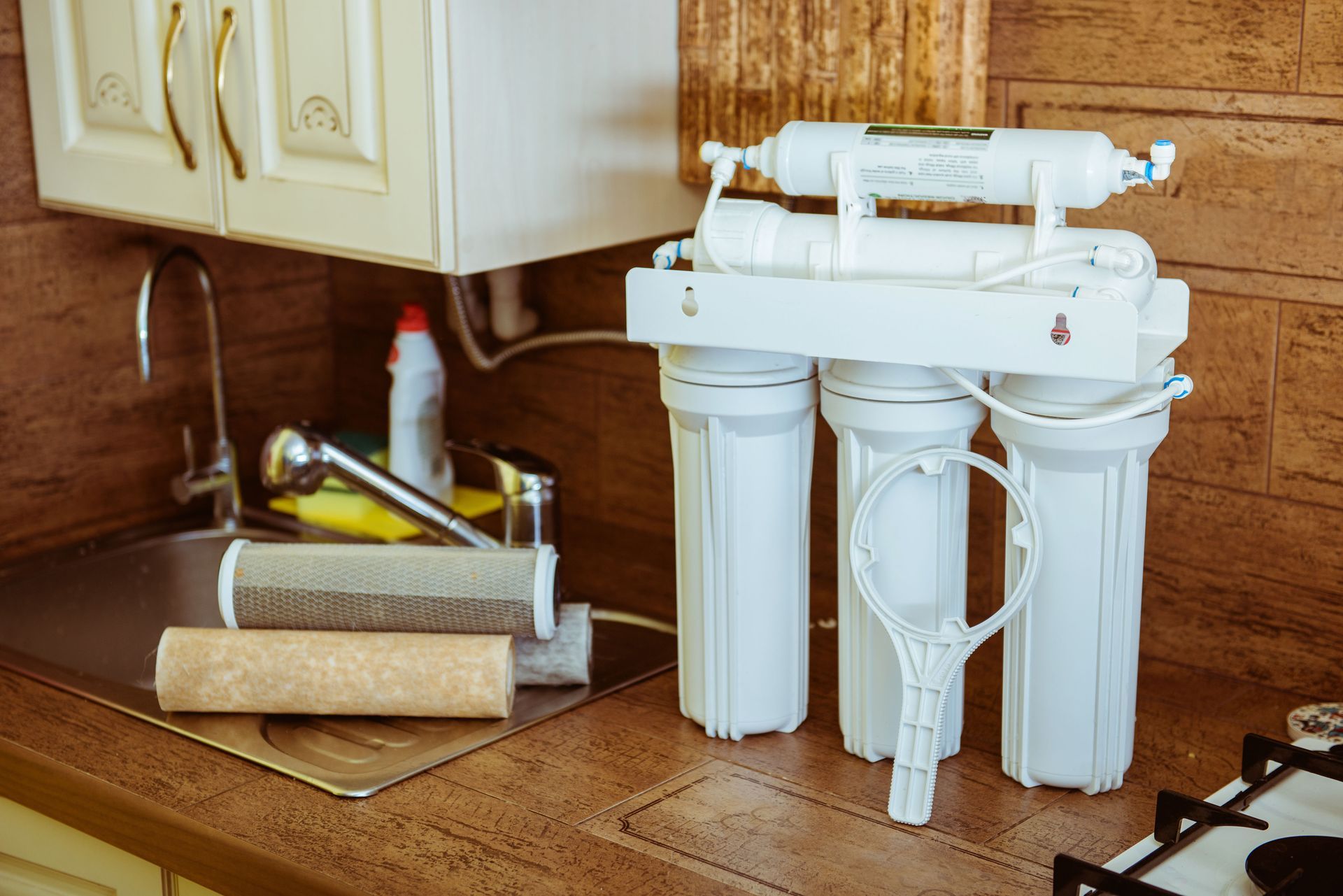
At the core of these mobile systems lie advanced technological components that effectively treat and deliver safe, potable hydration to those in need. Filtration is the primary process employed, using a wide range of proven methods such as reverse osmosis, ultrafiltration, and activated carbon to remove microscopic contaminants. Constant advancements in membrane technology further sharpen this operational efficacy, drastically reducing energy consumption and routine maintenance needs. A single water purifier integrated into a mobile unit can drastically improve the daily lives of hundreds of individuals by providing a highly reliable source of hydration in previously unserved geographic locations.
Overcoming Strict Infrastructural Limitations
Despite widespread availability of modern technology and financial resources, poor resource management practices constantly perpetuate scarcity in many developing nations. Many regions continually suffer from outdated physical infrastructure and inefficient distribution networks, resulting in colossal municipal waste. Political and bureaucratic inefficiencies often impede necessary municipal management reforms, while tragic misallocation of essential resources further compounds environmental challenges, leaving desperate communities begging for effective relief. Mobile purification systems provide a wonderfully adaptable solution that easily bypasses these strict infrastructural constraints, bringing clean hydration directly to the citizens in need. Improvements in local governance are required to optimize utility operations globally.
The primary advantage of these mobile systems is their unparalleled geographic mobility, which allows them to easily reach rugged areas that are otherwise incredibly difficult to serve with traditional static infrastructure. This extreme flexibility ensures the unique operational adaptability of purification systems to precisely meet wildly fluctuating needs and incredibly diverse geographic demands. Relocating and rapidly scaling operations as actively needed enables professional response teams to adapt dynamically to environmental and situational changes. Whether safely mounted on a heavy truck or carefully pulled on a sturdy trailer, an industrial water purifier can confidently navigate difficult terrain to reach highly isolated populations.
Delivering Immediate Emergency Relief
In situations of acute humanitarian need, the ability to provide immediate, reliable access to clean hydration has massive life-saving implications. Mobile purification systems truly excel in swiftly delivering potable hydration, particularly in sudden emergencies where traditional civic infrastructures may be completely compromised. By effectively circumventing massive delays often associated with infrastructure-heavy civic models, these dynamic systems act as critical first responders in modern provision efforts. Their exceptional ease of deployment allows them to broadly span across various chaotic settings, providing calming, necessary reassurance in the wake of immense uncertainty. These systems can be rapidly positioned to effectively mitigate immediate physical risks.
The remarkably rapid response capabilities of mobile purification make them truly invaluable in reaching drastically underserved and historically isolated communities during extreme times of crisis. In regions where critical infrastructure is often severely destroyed or left unrepaired due to insurmountable logistical barriers, their strategic deployment can beautifully transform absolutely dire situations into completely manageable ones. Vehicles fully equipped with a heavy-duty water purifier provide incredibly broad regional coverage capacities, perfectly streamlining complex logistics for delivering clean hydration exactly where and precisely when it is most urgently needed. This immediate medical access strongly prevents widespread disease transmission among vulnerable disaster victims.
Fostering Sustainable Community Health
The tragic ramifications of severe scarcity extend far beyond mere physical availability, presenting incredibly severe impediments to public health and overall societal development. In many tropical regions, the terrible lack of clean hydration contributes directly to the rampant prevalence of deadly diseases such as cholera, terrible dysentery, and highly contagious typhoid fever. The World Health Organization consistently underscores the direct link between unsafe hydration and numerous fatal disease outbreaks, which adversely affect both the young and the old. Given these extremely poor conditions, mobile purification units stand as genuinely vital resources, providing incredibly immediate, highly preventive medical solutions in affected regions.
Furthermore, these immense logistical challenges impose extremely heavy economic burdens on local communities, particularly in remote rural areas where manually collecting hydration requires truly immense daily effort. Time extensively spent manually collecting hydration drastically reduces the time available for proper formal education and meaningful paid work, severely affecting economic productivity and long-term societal growth. Women and young children in particular sadly bear the heaviest brunt, as they are historically tasked with this backbreaking manual labor. A locally stationed water purifier drastically alleviates these terrible burdens, wonderfully allowing time and physical resources to be completely redirected towards educational and economic endeavors.
Addressing the massive dual challenge of severe global scarcity and rapid climate change firmly requires highly coordinated international efforts on all environmental fronts to ensure a genuinely sustainable future. World governments, leading scientists, and dedicated non-profits must carefully collaborate to both precisely anticipate future ecological scenarios and quickly implement smart strategies that increase overall global resilience.
The seamless integration of highly advanced modern filtration technologies into highly mobile utility platforms clearly represents a massive turning point in global humanitarian aid and widespread community development. As international stakeholders constantly strive to significantly streamline traditional utility systems, the impressive scope and broad reach of a mobile
water purifier can comfortably serve as a magnificent scaffold for future ambitious global strategies. Contact Noah Water Systems Inc today to legally support the deployment of these amazing life-saving mobile purification units worldwide.



Share On: