Top 4 Water Purification Methods Explained
Access to clean, safe drinking water is essential for health and well-being. Contaminated water can cause a variety of illnesses and long-term health issues. According to the World Health Organization, globally, two billion people rely on drinking water sources that are contaminated with fecal matter. Water purification is the critical process of removing harmful substances, pathogens, and chemicals to make water safe for consumption.
In addition to health concerns, clean water plays a crucial role in daily life, from cooking and cleaning to personal hygiene and workplace safety. With increasing environmental challenges, pollution, and aging infrastructure in some areas, reliable water purification solutions are more important than ever. Understanding the technologies available helps households, businesses, and communities make informed decisions about water safety. By exploring proven purification methods, individuals can protect their families, improve overall quality of life, and contribute to broader public health and sustainability goals worldwide.
1. Sediment Filtration
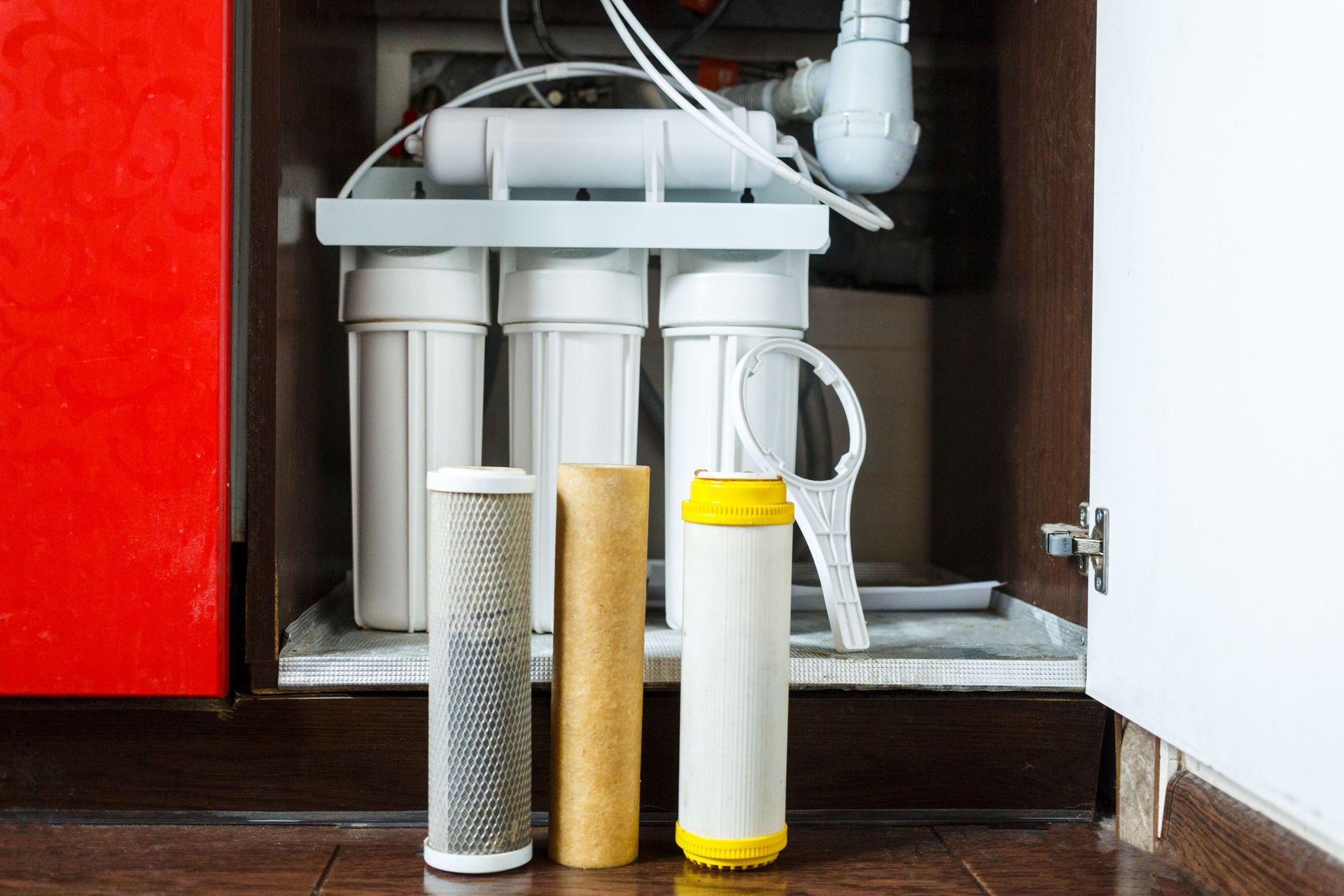
Sediment filtration is the first stage in effective water purification, designed to remove visible particles such as sand, silt, rust, and other debris from water. Water passes through a fine filter medium that traps these larger contaminants, preventing them from entering subsequent purification stages.
Sediment filters are highly effective at capturing suspended solids, which can cloud water and interfere with other filtration methods. While they don't remove chemicals or microorganisms, sediment filtration ensures that carbon and UV purification stages operate efficiently and last longer.
Sediment filtration also helps improve the lifespan and efficiency of downstream filters by preventing premature clogging and reducing maintenance frequency. By catching larger particles upfront, these filters contribute to consistent water flow and pressure, ensuring that activated carbon and UV purification stages can operate at peak performance for extended periods.
The main advantage of sediment filtration is the protection it provides to downstream purification systems, reducing wear and clogging. Filters are easy to replace and maintain. Limitations include the inability to remove dissolved chemicals or pathogens, meaning sediment filtration is most effective when combined with additional purification methods.
Sediment filters are commonly used in homes, offices, and portable water systems. They're especially valuable for private wells or municipal sources where particulate matter is prevalent. By removing physical debris early, sediment filtration enhances overall water quality and supports effective chemical and microbial treatment in later stages.
2. Activated Carbon Filtration
Activated carbon filtration relies on adsorption, a process where impurities in water are attracted to and trapped on the surface of carbon particles. The high surface area of activated carbon allows it to capture chlorine, volatile organic compounds (VOCs), and certain chemicals, improving water taste and odor. It's commonly integrated into household and portable purification systems for reliable water safety.
Two primary forms of activated carbon are used in purification: granular activated carbon (GAC) and powdered activated carbon (PAC). GAC is used in point-of-use filters, allowing water to flow through a bed of granules that adsorb contaminants. PAC is added to water in batch treatments, where contaminants are captured before filtration. Each type is selected based on the purification requirements of the system.
Activated carbon effectively removes organic chemicals, chlorine, and industrial pollutants. While it doesn't eliminate microorganisms or dissolved salts, it improves water quality significantly when combined with other purification steps. This makes it a versatile and essential component in water purification strategies.
The primary advantages of activated carbon filtration include cost-effectiveness, ease of use, and minimal maintenance. Limitations include its inability to remove microbes, minerals, or total dissolved solids, as well as the need for periodic filter replacement to maintain effectiveness.
Activated carbon filtration is widely used in homes, offices, and commercial settings. In residential systems, it improves drinking water quality at kitchen faucets or refrigerator dispensers. In commercial environments, such as restaurants and food processing facilities, it enhances water taste and safety. Industrially, it can serve as a pre-treatment stage before other purification steps.
3. Ultraviolet Purification
Ultraviolet (UV) purification uses UV light to neutralize harmful microorganisms in water. The UV radiation penetrates the DNA of bacteria, viruses, and protozoa, rendering them unable to reproduce or cause disease. This chemical-free method is effective, fast, and compatible with other purification technologies to deliver safe drinking water.
UV purification effectively targets a wide range of pathogens, including E. coli, hepatitis viruses, and protozoan cysts like Cryptosporidium. It doesn't change water taste or leave chemical residues, providing a safe and natural disinfection method. UV treatment is particularly vital in areas with untreated or private water sources.
UV purification is simple to operate, requires minimal maintenance, and is environmentally friendly since it uses light rather than chemicals. Limitations include the need for electricity and clear water for effective UV penetration, as turbidity can reduce efficiency. Despite these considerations, UV purification provides an essential layer of protection in water treatment systems.
Installing a UV purification system involves placing the UV lamp within a protective quartz sleeve, allowing water to be exposed safely. Maintenance is straightforward: the quartz sleeve and lamp must be periodically cleaned and replaced to ensure consistent performance. Proper care guarantees effective microbial inactivation and long-term reliability.
UV purification is ideal for households relying on private wells or untreated water sources. It's also used in commercial food and beverage facilities as a final disinfection stage. Portable UV purifiers offer reliable solutions in emergency or outdoor scenarios, ensuring access to microbiologically safe water.
4. Purification Methods
Modern water purification systems often combine activated carbon filtration with UV disinfection. Carbon filters remove chemicals and improve taste, while UV lamps neutralize harmful microorganisms. Together, they address a wide range of water quality concerns, offering a comprehensive solution for safe drinking water.
Combining these methods enhances water safety, taste, and overall quality. It reduces reliance on chemical disinfectants while providing continuous protection against both chemical and microbial contaminants. Integrated systems are versatile and can be adapted for residential, commercial, and emergency applications.
Maintenance involves periodic replacement of carbon filters and annual or semi-annual replacement of UV lamps. Routine monitoring ensures that the system operates at peak efficiency, consistently delivering purified water. With proper care, integrated systems provide reliable water purification for years.
Integrated water purification systems are suitable for homes, offices, restaurants, and emergency preparedness. They're particularly valuable in regions where waterborne illnesses are common or where municipal treatment may be inconsistent. By combining chemical removal and pathogen neutralization, these systems offer robust protection and peace of mind.
Water purification is essential to protect health and prevent waterborne diseases. Activated carbon filtration and UV purification are two proven methods that, when combined, provide a comprehensive solution to water quality challenges. These technologies remove harmful chemicals, improve taste, and inactivate dangerous microorganisms, addressing the major threats found in drinking water.
Beyond individual health benefits, water purification plays a vital role in supporting community resilience, emergency preparedness, and sustainability. Reliable purification systems ensure safe hydration in homes, schools, workplaces, and emergency settings. By understanding and adopting trusted purification methods, individuals can safeguard their families, improve their quality of life, and reduce exposure to waterborne hazards. Comprehensive water purification contributes to global efforts to provide equitable access to safe water and protect public health.
Ready to ensure clean, safe water for your home or business? Contact Noah Water Systems today to learn more about our advanced sediment, activated carbon, and UV purification solutions.





Share On: