How to Choose the Right Well Water Filtration System for Your Home
Well water offers many benefits, including independence from municipal systems and access to naturally sourced groundwater. However, it also comes with the responsibility of ensuring your water is clean, safe, and free from contaminants. Unlike city water, well water is not treated by a central facility, which means homeowners must take an active role in maintaining water quality.
Choosing the right water filtration system is essential for protecting your household’s health and improving water taste, odor, and clarity. With various filtration options available, it is important to understand your water’s specific needs and how different systems address them. This guide will help you make an informed decision when selecting the best solution for your home.
Identifying Common Contaminants in Well Water
Before selecting a water filtration system, it is important to understand what contaminants may be present in your well water. Common issues include sediment, iron, sulfur, bacteria, nitrates, and hard minerals. Each of these contaminants can affect water quality in different ways, from causing unpleasant odors to posing potential health risks.
Testing your water is the first step in identifying these concerns. According to the CDC, well water should be tested at least once a year unless there are recurring gastrointestinal illnesses among household members. If so, the water may need to be tested more frequently. Knowing what is in your water allows you to choose a filtration system that specifically targets those contaminants.
Evaluating Different Filtration Technologies Available
There are several types of filtration technologies designed to address various water quality issues. Sediment filters remove particles like sand and dirt, while activated carbon filters improve taste and remove certain chemicals. Reverse osmosis systems are highly effective at removing dissolved solids, including heavy metals and nitrates.
Each water filtration system serves a different purpose, and some homes may require a combination of technologies for optimal results. Understanding how these systems work will help you determine which solution best fits your needs and ensures comprehensive water treatment.
Assessing Whole-House Versus Point-of-Use Systems
When choosing a water filtration system, you will need to decide between a whole-house system and a point-of-use system. Whole-house systems treat all the water entering your home, providing clean water for drinking, bathing, and household tasks. These systems are ideal for addressing widespread issues such as sediment or iron.
Point-of-use systems, on the other hand, are installed at specific fixtures, such as kitchen sinks or refrigerators. These systems are often used to provide high-quality drinking water while complementing a larger filtration setup. Evaluating your household’s needs will help you determine which option is the best fit.
Considering Water Flow and Household Demand
The size of your household and your daily water usage play a significant role in selecting the right filtration system. A system that is too small may struggle to keep up with demand, leading to reduced water pressure or inconsistent performance.
Choosing a water filtration system with the appropriate flow rate ensures that your household has a steady supply of clean water without interruptions. Larger homes or properties with higher water usage may require more robust systems to maintain efficiency and performance.
Comparing Installation and Maintenance Requirements
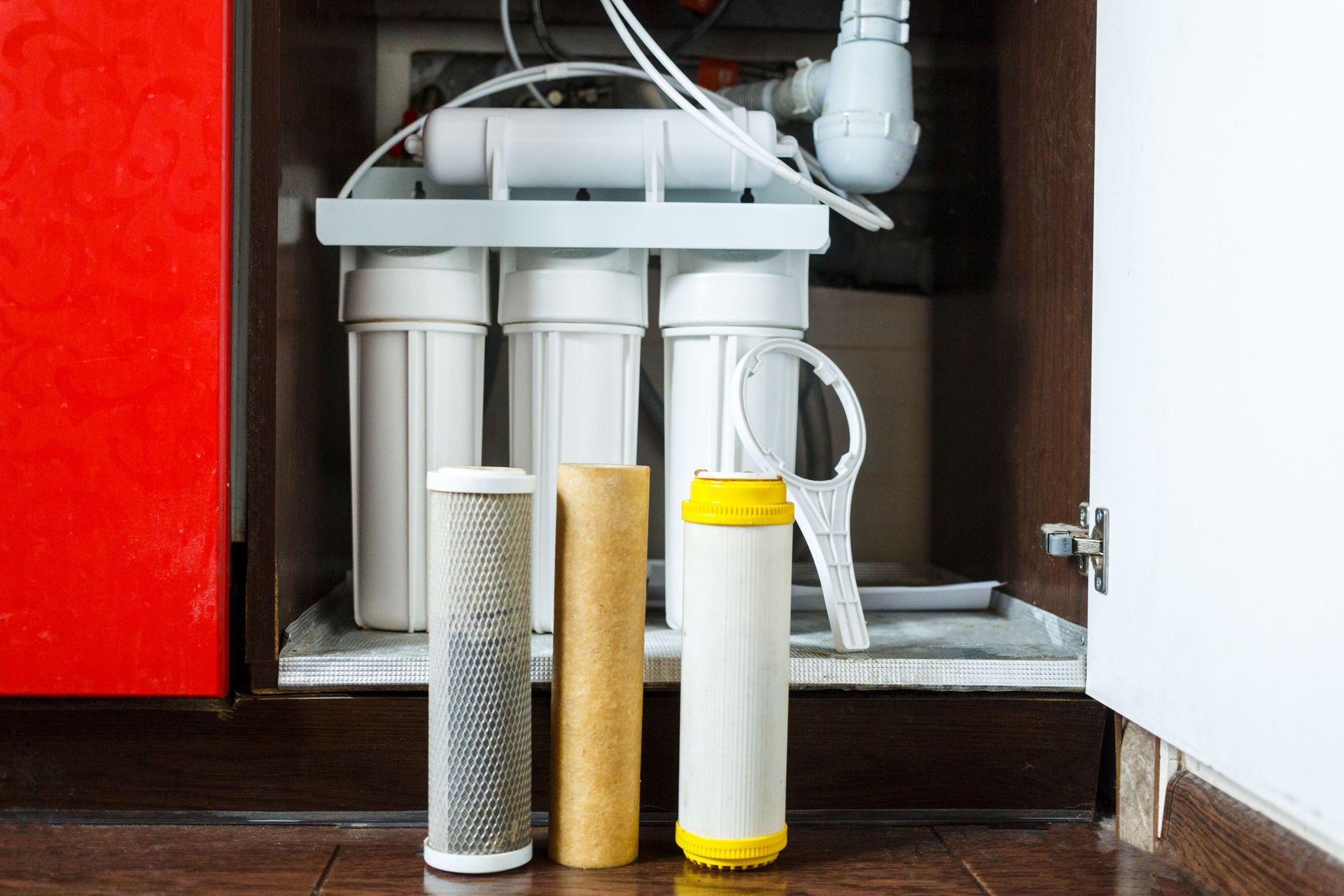
Different filtration systems come with varying installation and maintenance needs. Some systems are relatively simple to install and require minimal upkeep, while others may need professional installation and regular servicing.
Routine maintenance, such as replacing filters or cleaning components, is essential for keeping your water filtration system functioning properly. Understanding these requirements ahead of time helps you choose a system that fits your lifestyle and ensures long-term reliability.
Analyzing Cost and Long-Term Value
Cost is an important factor when selecting a filtration system, but it should be considered alongside long-term value. While some systems may have a higher upfront cost, they often provide better performance and durability, reducing the need for frequent replacements or repairs.
Investing in a high-quality water filtration system can save money over time by preventing plumbing issues, reducing bottled water expenses, and improving overall water efficiency. Balancing initial costs with long-term benefits will help you make a smart investment.
Ensuring Compatibility With Existing Plumbing
Not all filtration systems are compatible with every home’s plumbing setup. Before making a decision, it is important to evaluate your current system and determine whether any modifications are needed.
A properly installed water filtration system should integrate seamlessly with your plumbing, providing consistent performance without causing disruptions. Consulting with a professional can help ensure compatibility and avoid potential installation challenges.
Prioritizing Water Quality Goals and Preferences
Every household has unique priorities when it comes to water quality. Some homeowners focus on improving taste and odor, while others are more concerned with removing specific contaminants or addressing hard water issues.
Defining your goals will help you choose a water filtration system that aligns with your needs. Whether you are looking for enhanced drinking water quality or comprehensive whole-house filtration, understanding your priorities ensures a more satisfying outcome.
Reviewing Certifications and System Performance Ratings
Certifications and performance ratings provide valuable insight into the effectiveness of a filtration system. Look for systems that have been tested and certified by reputable organizations to ensure they meet industry standards.
A certified water filtration system offers reassurance that it can effectively remove targeted contaminants and deliver the results you expect. This added level of confidence is especially important when dealing with well water, where quality can vary significantly.
Planning for Future Water Quality Changes
Water quality can change over time due to environmental factors, seasonal variations, or changes in your well system. Choosing a flexible filtration solution allows you to adapt to these changes without replacing your entire system.
Some systems are designed to accommodate additional filters or upgrades, making it easier to adjust as your needs evolve. Planning ahead ensures that your water filtration system continues to provide reliable performance for years to come.
Addressing Hard Water Issues With Targeted Solutions
Hard water is a common concern for homeowners with wells, often caused by high levels of calcium and magnesium. While not typically harmful to health, hard water can lead to scale buildup in pipes, reduced appliance efficiency, and spots on dishes and fixtures.
Incorporating a water softener into your overall water filtration system can effectively address these issues. By reducing mineral content, you can extend the lifespan of plumbing fixtures, improve water flow, and enhance the overall performance of your home’s water system.
Monitoring System Performance Over Time
Once your filtration system is installed, ongoing monitoring is essential to ensure it continues to perform effectively. Changes in water taste, pressure, or clarity can indicate that filters need to be replaced or that the system requires maintenance.
Regularly checking your water filtration system helps you stay ahead of potential issues and maintain consistent water quality. Keeping a maintenance schedule and tracking system performance ensures that your investment continues to deliver safe and reliable water for your household.
Selecting the right filtration solution for your well water requires careful consideration of your water quality, household needs, and long-term goals. By understanding contaminants, evaluating system options, and planning for maintenance and future changes, you can choose a water filtration system that delivers clean, safe, and reliable water for your home. If you are ready to improve your water quality with expert guidance and dependable solutions, contact Noah Water Systems Inc today to find the ideal system for your home.




Share On: