Portable Water Purifiers vs. Water Bottles with Built-in Filters
Portable water purifiers come in a range of types, each designed to meet different needs and environments. Some common variations include pump filters, gravity filters, UV light purifiers, and chemical purifiers. Pump filters require manual pumping to push water through a filter, while gravity filters rely on natural flow to perform the same function without effort. UV light purifiers use ultraviolet light to neutralize bacteria and viruses, making them particularly effective against pathogens. Chemical purifiers, often based on iodine or chlorine dioxide, are lightweight and reliable for eliminating microorganisms. Each type offers unique advantages depending on location, water source, and user needs.
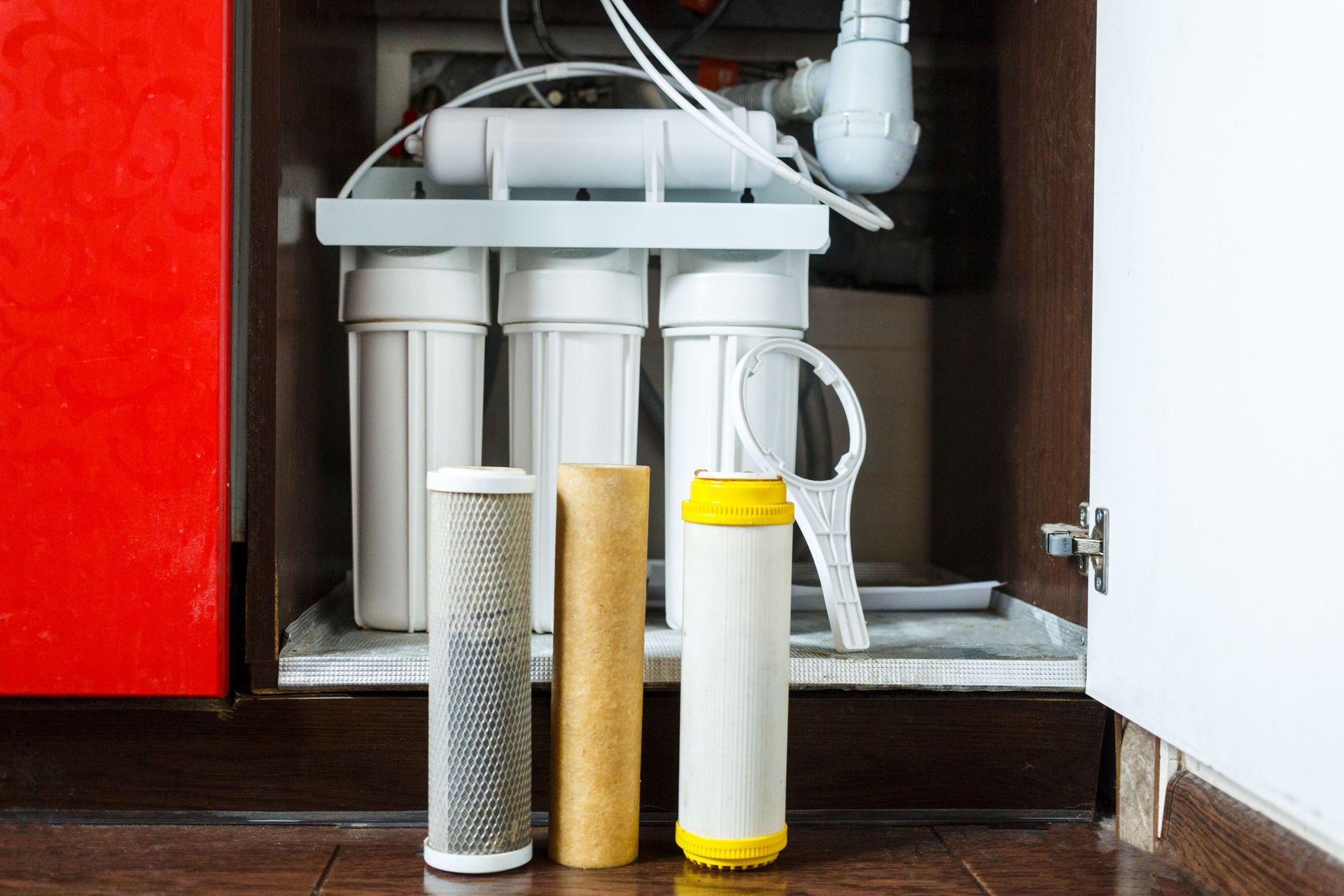
Portable water purifiers work through different mechanisms that remove impurities and harmful pathogens from water. Filters in these devices often consist of activated carbon, ceramic, or hollow fiber membranes. Activated carbon reduces chlorine, sediment, and volatile organic compounds, improving taste and odor. Ceramic filters can remove bacteria and protozoa but are less effective against viruses. Hollow fiber membranes filter bacteria, protozoa, and some viruses, offering robust protection. UV-based systems disrupt the DNA of microorganisms, rendering them harmless. The effectiveness of each method depends largely on water conditions and the contaminants present.
Advantages and Limitations of Portable Purifiers
Portable water purifiers provide critical advantages for people seeking safe drinking water in remote or undeveloped regions. Their biggest strength lies in the ability to filter out bacteria, viruses, and protozoa from contaminated sources. This makes them invaluable in areas where water sources may contain fecal matter, a significant risk factor for disease. They are also ideal for off-grid or emergency use since many require no electricity. Additionally, they eliminate the dependence on single-use plastic bottles, reducing waste and supporting eco-friendly practices.
However, these devices also present limitations that should be considered. Regular maintenance and filter replacement are essential to keep them operating effectively, which adds ongoing costs. Some models are less effective at removing heavy metals or certain pollutants commonly found in industrial runoff. UV-based systems do not remove particles or chemical pollutants, requiring pre-filtration for best results. It is important to select a purifier suited to the environment in which it will be used. While portable water purifiers are versatile, no single device addresses every water quality issue.
Popular Brands and Product Options
The market for portable water purifiers includes several brands offering user-friendly designs and reliable performance. LifeStraw has gained recognition for its straw-style filter, enabling users to drink directly from a source without additional tools. Sawyer provides compact, adaptable systems that attach to bottles or function as standalone filters, appealing to hikers and travelers. Grayl is another popular choice, featuring a press-to-filter system that produces clean water in seconds, making it convenient for urban travel and backcountry use alike. These options illustrate the diversity in the market, each catering to distinct user preferences and scenarios.
Water bottles with built-in filters also enjoy strong brand representation. Brita extends its trusted home filtration reputation with bottles that improve taste and reduce chlorine in tap water. The Grayl Geopress, although a purifier bottle, is valued for its ability to filter viruses, heavy metals, and pathogens, offering a more advanced solution than standard filter bottles. Katadyn’s BeFree filter bottle is lightweight and practical for hiking and camping, efficiently removing bacteria and protozoa. With such varied designs, consumers can choose products that balance portability, convenience, and filtration performance.
Comparative Effectiveness of Filtration
When comparing the filtration capabilities of portable purifiers and built-in filter bottles, important differences emerge. Portable water purifiers typically provide broader protection, filtering bacteria, protozoa, and even viruses from unsafe water sources. In contrast, built-in filter bottles are more suited for improving taste and eliminating chlorine, sediment, and odors in urban environments. They may not provide sufficient protection against viruses or more dangerous contaminants in natural water sources. For those spending time outdoors or traveling in regions with questionable water quality, portable water purifiers offer more comprehensive security. For daily use in city settings, built-in filter bottles provide enough filtration for most needs.
Taste and water quality also differ between the two solutions. Built-in filter bottles enhance flavor by removing chlorine and reducing impurities common in tap water. However, when sourcing water from rivers, lakes, or streams, portable water purifiers deliver cleaner-tasting water by eliminating organic matter and microbes. This difference directly impacts user satisfaction, as taste often determines consistent use of filtration systems. While both methods improve water quality, their effectiveness depends on the environment and intended use.
Practicality and Durability Factors
Time and ease of filtration influence user preference between purifiers and filter bottles. Pump and gravity filters may take several minutes to process a liter of water but ensure thorough cleansing. UV and chemical purifiers act more quickly, while built-in filter bottles allow immediate drinking since filtration occurs simultaneously. For busy travelers and commuters, filter bottles offer speed and convenience. For those prioritizing thoroughness and pathogen protection, portable water purifiers remain the preferred option despite requiring more effort.
Durability and lifespan of the devices also differ. Portable purifiers are often built with rugged materials designed for outdoor environments, making them long-lasting and resistant to wear. Filter bottles, though convenient, typically require frequent cartridge changes and may not withstand rough handling as well. While replacement parts are inevitable for both, the longevity of portable water purifiers generally provides better value in the long run. Consumers seeking durability and reliability often favor purifiers over disposable-style filter bottles.
Environmental and Sustainability Impact
Both purification methods significantly reduce reliance on single-use plastic bottles, contributing to waste reduction. This environmental benefit is particularly relevant as plastic pollution continues to harm ecosystems worldwide. Choosing reusable options like portable purifiers or built-in filter bottles reflects growing consumer commitment to sustainability.
Still, environmental impact extends to materials and waste from used filters. Portable water purifiers tend to have longer-lasting components, generating less frequent waste. Built-in filter bottles, though often recyclable, produce higher waste volumes due to frequent cartridge disposal. Advances in biodegradable filters and recycled materials are helping address these concerns across both product categories. Additionally, the carbon footprint of manufacturing and distributing these products varies, with purifiers generally carrying higher initial impacts but offering longer-term benefits due to extended use. Consumers focused on eco-friendliness may lean toward devices designed for durability and recyclability.
User Experiences and Preferences
Consumer reviews consistently highlight the strengths and weaknesses of each option. Portable purifiers receive praise for their ability to provide safe drinking water in diverse conditions, especially during outdoor adventures and international travel. Built-in filter bottles earn positive feedback for convenience and improved taste of tap water, making them popular for everyday hydration. Complaints often include slow filtration speeds or higher costs of replacement parts, though satisfaction rates remain high when expectations are clear.
Trends indicate a shift toward sustainability, with consumers increasingly favoring products that reduce waste and promote eco-friendly practices. Personal preference ultimately determines the best choice: those needing protection in uncertain environments prefer portable purifiers, while those focused on daily urban use often opt for built-in bottles. By understanding strengths, limitations, and user feedback, consumers can select the product that aligns most closely with their lifestyles.
Both portable water purifiers and water bottles with built-in filters provide valuable solutions for improving access to safe and great-tasting water. Portable purifiers excel in versatility and pathogen protection, making them ideal for outdoor, travel, or emergency use. Filter bottles, by contrast, prioritize convenience, portability, and taste improvement for everyday urban settings. According to the World Health Organization, over 2 billion people still consume water contaminated with feces, underscoring the importance of reliable filtration solutions worldwide.
When selecting the best system for your needs, consider environment, cost, and long-term sustainability. For expert guidance and high-quality options tailored to your lifestyle, trust Noah Water Systems Inc. Contact us today to find the right water purification solution that delivers safety, value, and peace of mind.






Share On: