Why Portable Water Filtration Systems Are Essential in Disaster Relief
When disaster strikes, access to clean drinking water is one of the very first needs that must be met. Floods, earthquakes, hurricanes, and other emergencies often leave communities without safe water sources, and the consequences are devastating. In these moments, portable water filtration systems become more than just tools; they become lifelines that can prevent illness, protect communities, and save lives.
Yet despite the urgency, clean water is often overlooked in the earliest stages of relief. Food, shelter, and medical aid draw immediate attention, but without safe drinking water, all other recovery efforts are compromised. Restoring access quickly is not just about quenching thirst; it's about enabling survival, preventing widespread disease, and laying the groundwork for longer-term recovery.
Access: The Critical Importance of Clean Water in Disasters
Water is the foundation of human survival, yet during disasters, it becomes one of the scarcest resources. According to Healthline, researchers believe that people can only survive about three days without water in most cases. In crisis scenarios, that short timeframe underscores just how urgent it is to restore safe drinking water to affected populations. For children, the elderly, and those with existing health conditions, access can mean the difference between life and death.
Natural disasters compromise infrastructure in ways that make water unsafe. Broken pipelines, contaminated reservoirs, and floodwaters carrying debris create conditions where people have no choice but to drink from unsafe sources. Without clean water, survival itself becomes impossible, and emergency response teams must make providing it their top priority.
Contamination: The Hidden Dangers in Post-Disaster Water Sources
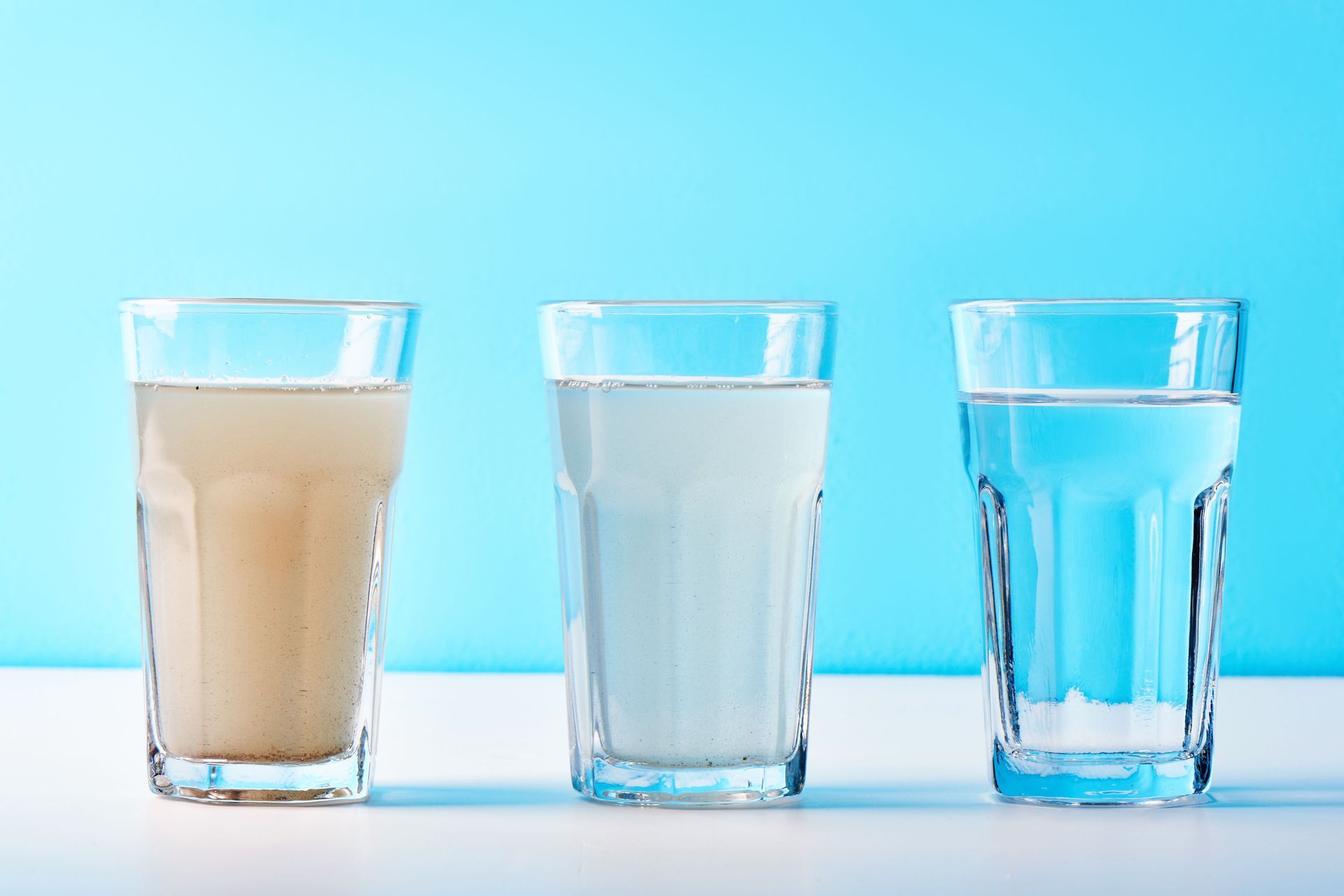
One of the greatest threats in the aftermath of a disaster is invisible: contaminated water. While muddy or cloudy water looks unsafe, even clear water can harbor dangerous microorganisms. Bacteria like E. coli, viruses such as those causing infectious jaundice, and parasites that trigger severe gastrointestinal illness often thrive in these compromised environments. Left unchecked, they can spread through entire communities in days.
The dangers extend beyond immediate sickness. Widespread contamination often leads to outbreaks of cholera, typhoid, or dysentery, diseases that can overwhelm fragile health systems already strained by the disaster itself. By the time symptoms appear, prevention becomes difficult, making early access to safe water the most effective form of protection against these hidden threats.
Prevention: Reducing Disease and Mortality Through Clean Water
Every disaster has two phases of danger: the initial event and the aftermath. While floods or earthquakes may cause immediate destruction, the spread of disease in the days following can claim even more lives. Clean water prevents this secondary wave of loss. By eliminating the microorganisms responsible for waterborne illness, portable solutions act as the first line of defense against outbreaks.
This preventive power highlights why water filtration systems are essential for disaster relief. Instead of simply responding to illness, responders can stop disease before it begins. When families have reliable access to safe water, the cycle of sickness is broken, allowing communities to begin rebuilding with resilience and health intact.
Technology: How Portable Water Filtration Works in the Field
Behind every successful clean water delivery in a disaster zone is technology designed for reliability. Portable purification units combine pumps, filters, and often ultraviolet or chemical treatments to eliminate harmful bacteria, viruses, and parasites. Unlike simple consumer-grade filters, these systems are engineered for heavy use, harsh conditions, and unpredictable water sources.
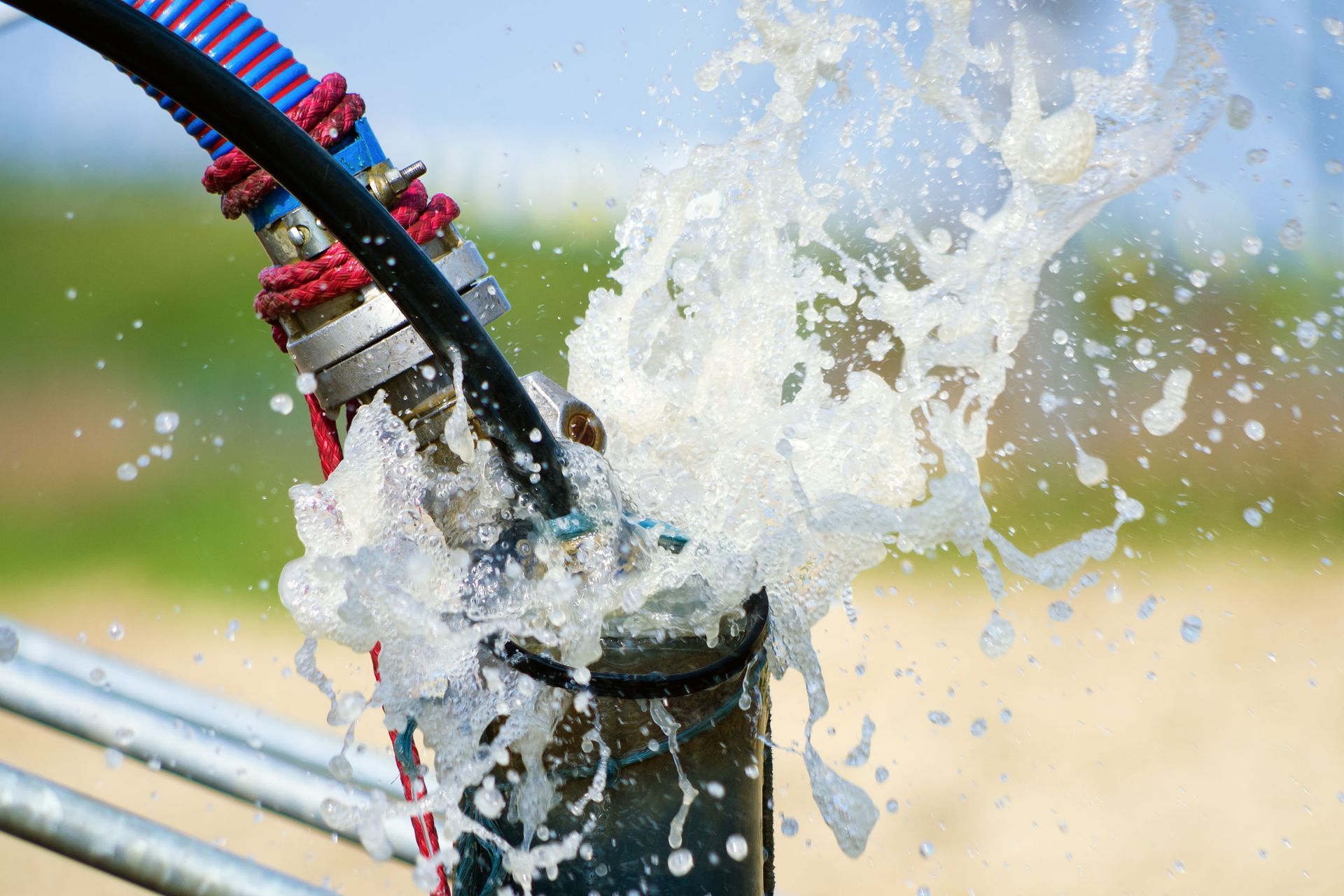
This advanced engineering is what sets field-ready equipment apart. Whether drawing from a muddy river, a stagnant pond, or floodwaters filled with debris, water filtration systems designed for disaster relief provide dependable results. They transform water that appears unusable into a safe, drinkable supply that can sustain both individuals and entire communities.
Mobility: The Value of Portability in Emergency Response
Speed matters in disaster relief. Portable units can be transported quickly to areas where infrastructure has been destroyed, ensuring that help doesn’t arrive too late. Their compact designs allow emergency teams, humanitarian organizations, and even local volunteers to move them across difficult terrain where large-scale systems can’t reach. This flexibility ensures that even the most isolated or cut-off communities are not left behind.
For those affected, portability means access without delay. Communities don’t need to wait for rebuilding efforts or complicated logistics before receiving clean water. Instead, responders can set up water filtration systems on-site, delivering relief exactly where it’s needed most. This speed can be the difference between preventing an outbreak and facing a full-scale public health crisis.
Scalability: Serving Both Small Teams and Entire Communities
Not every disaster looks the same, and neither do the water needs that follow. In some cases, a small team of responders may only need a few gallons per day. In others, entire communities require a large and steady supply to sustain families, schools, and hospitals. This is where scalable solutions make a difference, adapting to both small and large-scale crises. By matching capacity to demand, relief efforts can ensure resources are used efficiently while still meeting urgent human needs.
Systems designed for disaster relief recognize this need for flexibility. Units like compact portable models serve individuals or small groups, while larger systems are capable of producing a large supply daily. By deploying the right water filtration systems for the right context, relief efforts can match the scale of the disaster and ensure that no one is left without safe drinking water.
Reliability: Why Field-Proven Equipment Matters in Crisis
In disaster zones, conditions are unpredictable, and equipment failure is not an option. Relief workers need technology that performs consistently, no matter the environment. Field-proven systems are built to handle extremes, from humid jungles to desert heat to freezing cold, without compromising water quality or output. This dependability allows responders to focus on helping people rather than worrying about whether their equipment will work.
Reliability provides confidence for both responders and communities. When people know they can depend on water filtration systems to deliver clean water day after day, anxiety is reduced, and health outcomes improve. This consistency is why organizations prioritize equipment that has been tested, proven, and refined through real-world disaster scenarios.
Impact: Stories of Transformation Through Clean Water
The true measure of any disaster relief tool is its impact on people’s lives. Across the globe, stories emerge of families spared from disease because clean water was delivered in time. In remote villages, portable systems have restored health and stability after floods wiped out local wells. In urban centers, they’ve supported hospitals caring for disaster victims by ensuring a steady supply of safe water.
These transformations extend beyond survival. When clean water arrives, communities gain the ability to focus on rebuilding homes, schools, and livelihoods instead of fighting constant illness. The presence of effective water filtration systems doesn’t just protect lives in the moment; it accelerates recovery and restores dignity to people facing unimaginable challenges.
Disasters strip communities of stability, but one of the most urgent needs they create is access to clean water. Portable solutions prevent disease, restore hope, and enable communities to recover with health and resilience. That is why reliable water filtration systems remain an indispensable tool for humanitarian and emergency response efforts worldwide.
Clean water can’t wait until it’s too late. Noah Water Systems Inc designs portable purification systems that deliver safe drinking water when and where it’s needed most. Contact us today to learn how you can support communities with reliable, life-saving solutions.


Share On: