Is Your Tap Water Safe? What You Need to Know About Water Filtration
Water is an essential resource that affects every aspect of life. Understanding the safety of tap water is crucial for ensuring the health and well-being of everyone in our households. While many people assume that water from the tap is safe to drink, the truth can be more complex. Factors such as aging infrastructure, environmental contaminants, and municipal water system failures can compromise water quality. Implementing effective water filtration systems is an essential step in safeguarding oneself from potential health risks associated with contaminated water.
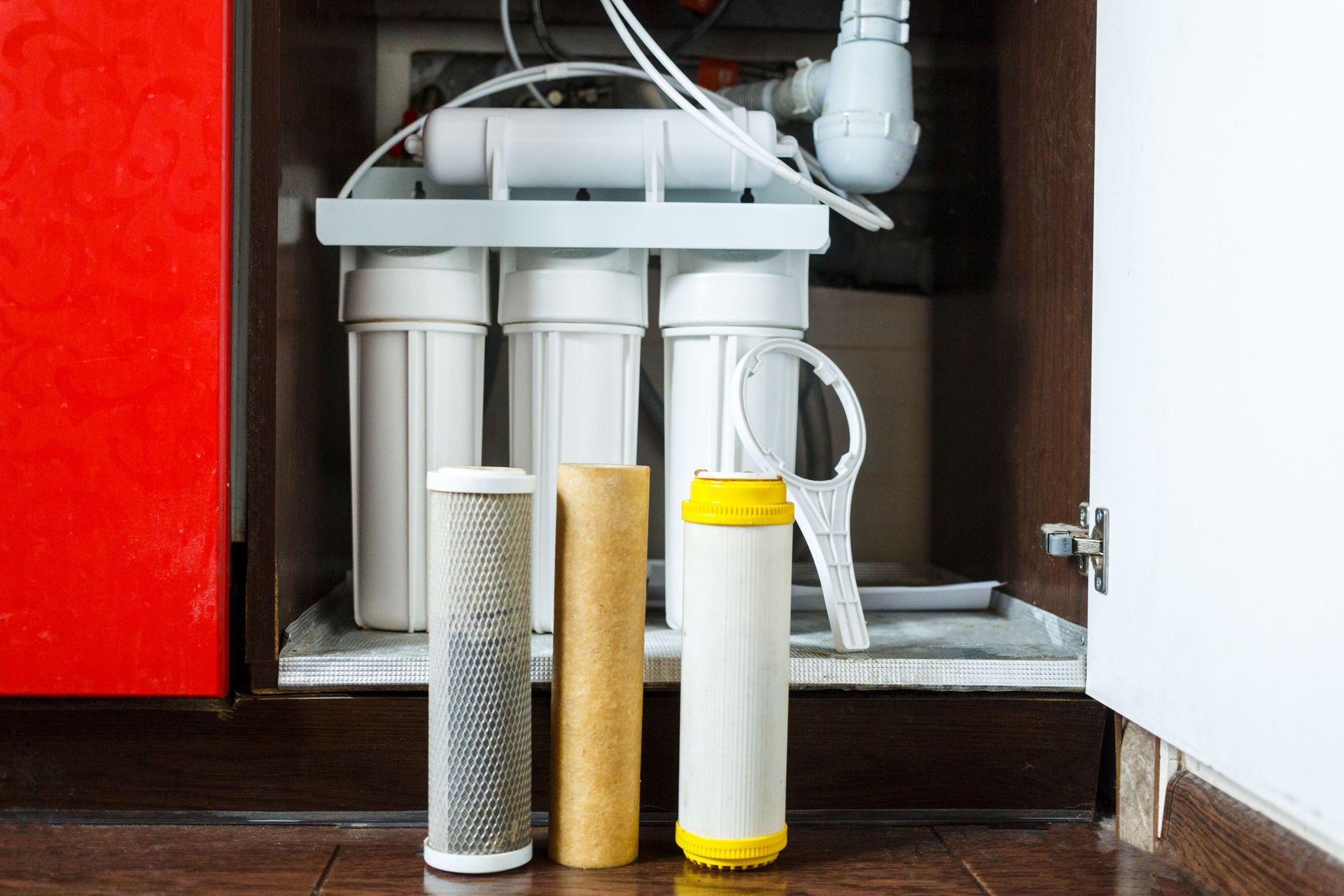
Water purification systems are designed to remove impurities, providing cleaner and safer drinking water. With a variety of purification methods available, from simple carbon units to advanced reverse osmosis systems, choosing the right solution requires careful consideration. Being informed about what is in your water and what options are available is the first step toward ensuring your family's safety and peace of mind.
This article aims to equip you with the knowledge necessary to make informed decisions about your water quality. We will explore the specific contaminants found in tap water, the associated health risks, and how to choose the right technology for your household. Understanding the importance of water filtration in protecting public health is the first step toward a healthier home.
Understanding Tap Water Contaminants
Tap water is often treated with chemicals like chlorine to disinfect and kill harmful microorganisms. However, these chemicals can remain in the water supply and cause unpleasant tastes and smells. While chlorine is generally considered safe at low levels, some studies have linked prolonged exposure to specific health issues. Fluoride is also added to many public water supplies to prevent tooth decay, but excessive amounts can lead to dental fluorosis. It is crucial to understand these chemicals and their potential impact on health to effectively manage water safety in your home.
The presence of chloramines introduced by water treatment facilities raises further concerns. Excessive exposure to these chemicals has been associated with respiratory issues and skin irritation. Removing these contaminants requires systems specifically designed to handle chemicals, such as activated carbon. These can absorb chlorine and chloramine compounds, making the water safer and more palatable. For families concerned about chemical exposure, investing in specialized water filtration can make all the difference.
According to the CDC, in the U.S., 9 out of 10 people get their tap water from a regulated public water system, which means chemical treatment is a common practice. Even regulated systems may face temporary or ongoing issues leading to an increase in chemical levels beyond safe limits. By being vigilant about your water's chemical content, you can take proactive steps to mitigate health risks.
Neutralizing Biological Contaminants
Biological contaminants, including bacteria, viruses, and parasites, pose significant threats to water quality. These microorganisms can enter the water supply through various channels, such as sewer overflows, septic systems, and natural water sources. Untreated or inadequately treated water systems are particularly vulnerable to biological contamination. Common pathogens like E. coli, Giardia, and Legionella can cause illnesses ranging from mild gastrointestinal issues to severe respiratory conditions. Understanding these risks emphasizes the need for effective water treatment and purification solutions in every home.
It is not uncommon for biological contaminants to slip past water treatment facilities, particularly during periods of high rain or flooding that overwhelm systems. Vulnerable populations, including young children and the elderly, are particularly susceptible to infections caused by these organisms. Systems employing ultraviolet (UV) purification methods are highly effective in neutralizing biological contaminants. UV light works by disrupting the DNA of microorganisms, rendering them unable to reproduce and cause infections. Ensuring your system has UV capability can be a vital step in defending against biological threats.
Monitoring Heavy Metals
Heavy metals such as lead, mercury, and arsenic are among the most dangerous water contaminants due to their toxicity and bioaccumulation properties. Often leached into water supplies through natural deposits, industrial activities, or corroding infrastructure, these metals must be closely monitored. Lead, in particular, gained significant attention after high-profile contamination cases emphasized the severe health risks associated with prolonged exposure. Long-term exposure to heavy metals can result in neurological damage and increase the risk of cancer.
Reverse osmosis systems are among the most effective methods for eliminating heavy metals from drinking water. These systems work by forcing water through a semipermeable membrane to filter out microscopic impurities. Ensuring that your chosen system targets heavy metals is vital in protecting family members from these harmful elements. Heavy metal contamination can sometimes go unnoticed until significant health effects manifest, making periodic testing an essential proactive step.
Assessing Health Risks Associated With Unfiltered Water
Immediate health effects of consuming contaminated water can range from mild to severe, depending on the specific contaminants. Acute gastroenteritis is a common issue resulting from bacteria such as E. coli, leading to symptoms like nausea, vomiting, and diarrhea. Viral agents like Norovirus can also cause sudden outbreaks of illness linked to contaminated drinking supplies. Heavy metals, such as lead, exposed in high concentrations, can cause acute effects like abdominal pain or vomiting.
Identifying and addressing the risks associated with these contaminants is vital for preventing immediate health issues.
Contaminated water sources lead to other reactions, such as skin irritation and rashes upon direct contact. Chlorine contributes to irritated skin when present in high levels. Long showers or baths compound this exposure risk, especially in sensitive individuals. The presence of chemical substances like pesticides can contribute to respiratory issues or provoke allergies. Installing appropriate water filtration can dramatically reduce these reactions, ensuring cleaner, safer water for household activities.
Evaluating Chronic Health Issues
Chronic health issues arise from long-term exposure to water contaminants, which accumulate in the body over time. Heavy metals and chemical contaminants have been linked to chronic conditions, including kidney damage, developmental issues, and cancer. For instance, repeated exposure to arsenic in drinking water has been associated with skin lesions and increased cancer risk. Long-term ingestion of lead disrupts neural development in children, with repercussions lasting into adulthood. Addressing these chronic exposure risks requires consistent and thorough purification methods.
Regular consumption of unfiltered water can potentially disrupt the body's physiological processes due to cumulative exposure to trace contaminants. Hormonal imbalance and reproductive issues may stem from contact with pharmaceuticals and endocrine disruptors present in tainted water. Long-term chemical exposure can also lead to metabolic changes. Being informed of potential risks and utilizing ongoing monitoring ensures cleaner, safer water for everyone.
Protecting Vulnerable Populations
Vulnerable populations, including children, the elderly, and immunocompromised individuals, are more susceptible to harm from contaminated water. Children are developing rapidly, and their bodies are less able to detoxify harmful substances like heavy metals or chemical residues, leading to developmental delays. Older adults may have weakened immune systems, making them more vulnerable to waterborne pathogens. Even small amounts of pollutants can trigger severe reactions in immunosuppressed individuals, emphasizing the need for highly effective water filtration in homes and healthcare settings.
Ensuring water quality for these populations extends beyond basic treatment, often requiring advanced systems like reverse osmosis or UV. For homes with at-risk residents, comprehensive water testing offers a tailored approach to identifying specific contaminants and selecting the most appropriate technology. Implementing stringent water safety measures for at-risk groups not only prevents health complications but also promotes a greater quality of life.
Safeguarding your household's health starts with the water you consume every day. From neutralizing chemical additives to defending against biological pathogens, the right water filtration strategy provides an essential layer of protection. By understanding your specific water quality challenges and the technologies available to solve them, you can ensure that your tap water is a source of health rather than a risk.
If you are ready to take control of your home's water quality, the experts at Noah Water Systems Inc are here to help. We specialize in advanced Water Purification Systems tailored to your unique needs. Contact us today to explore options for your home and enjoy the peace of mind that comes with pure, safe water.



Share On: