The Importance of Water Filtration
Water filtration is a critical process that ensures the safety and purity of water for human consumption and various other applications. With increasing environmental challenges and the growing threat of water contamination, the importance of effective water filtration systems cannot be overstated. This article delves into key aspects of water filtration, including its health benefits, environmental impact, technological advancements, economic implications, and its critical role in developing countries.
1. Understanding Water Contamination
1.1 Types of Contaminants
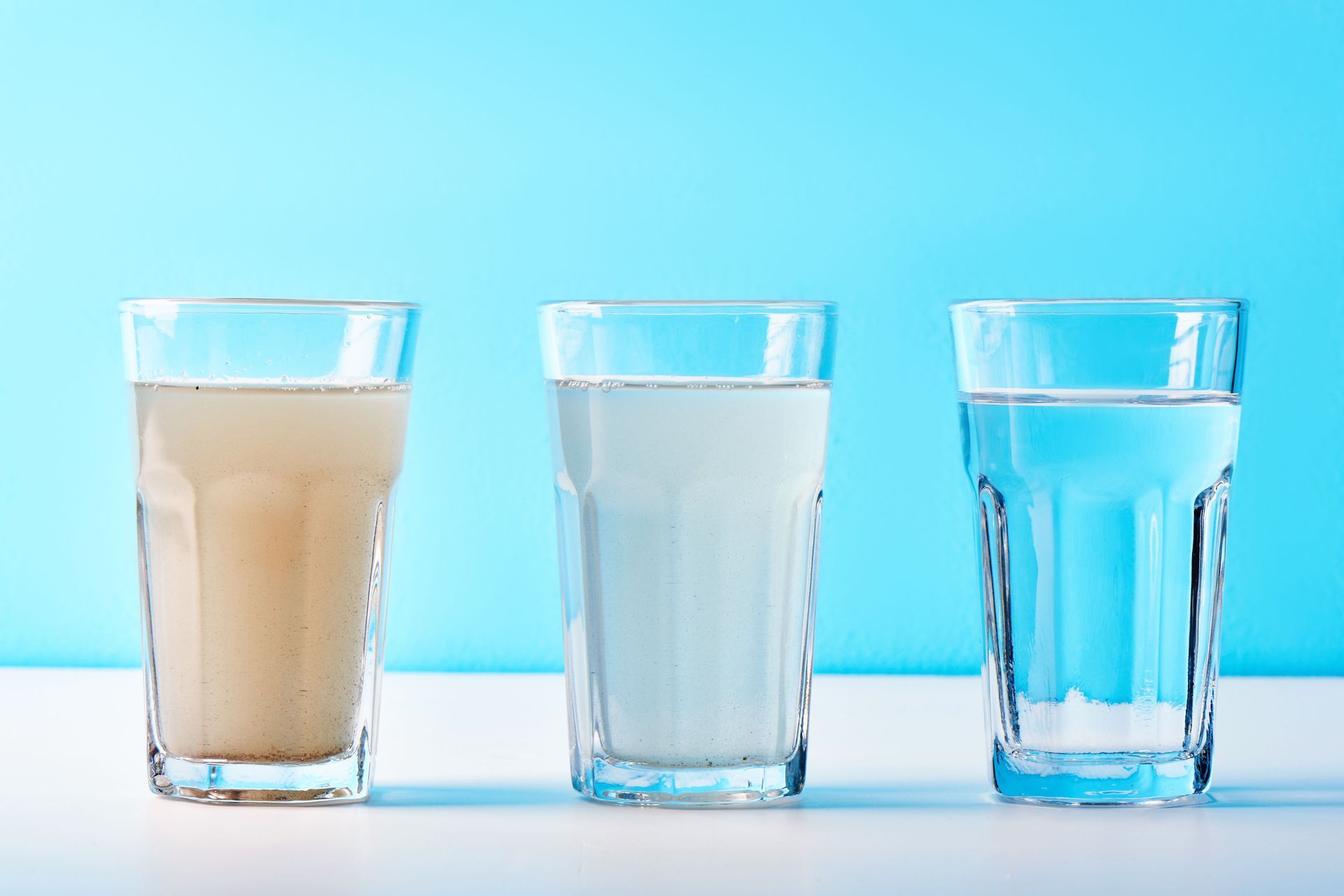
Water contaminants are diverse and can be broadly categorized into physical, chemical, biological, and radiological agents. Physical contaminants primarily affect the physical quality of water, such as sediment and organic material. Chemical contaminants include substances like pesticides, heavy metals, and toxins that may have acute or chronic health effects. Biological contaminants consist of bacteria, viruses, and parasites that pose immediate health risks, potentially leading to diseases. Radiological contaminants, although less common, are dangerous, involving harmful radioactive substances.
1.2 Sources of Contamination
Contaminants enter water systems through various sources, such as agricultural runoff, industrial discharges, and urban development. Agricultural activities often introduce fertilizers and pesticides, which leach into water bodies, consequently affecting water quality. Industrial processes can discharge hazardous substances into waterways, resulting in chemical pollution. Urban runoff, influenced by sewage and waste disposal, significantly contributes to bacterial and nutrient pollution. Understanding these sources is essential for developing effective filtration and management strategies.
1.3 Effects on Health
The effects of water contamination on health are profound, ranging from mild gastrointestinal distress to severe diseases and chronic health conditions. Consuming contaminated water can lead to immediate health problems such as diarrhea or vomiting, primarily due to pathogens like E. coli and Giardia. Long-term exposure to water contaminants, especially chemicals and heavy metals, increases the risk of developing cancer, liver, and kidney damage. The CDC reports that at least 1.1 million people in the U.S. get sick every year from germs in drinking water, highlighting the urgent need for effective filtration systems. Educating the public on the risks associated with contaminated water is crucial for health promotion.
1.4 Historical Cases of Waterborne Diseases
Historical instances of waterborne diseases demonstrate the critical need for water filtration systems. The 19th-century cholera outbreaks in London, traced back to contaminated water sources, spurred sanitation and filtration advancements. In the U.S., typhoid fever was rampant until improvements in water treatment drastically reduced infection rates. More recently, incidents like the Milwaukee Cryptosporidium outbreak in 1993 underscore the vulnerability of water supplies and the importance of robust filtration systems. Such historical cases have driven significant progress in understanding water contamination and implementing solutions.
1.5 Current Global Challenges
Globally, water contamination remains a pressing challenge, exacerbated by factors such as climate change, industrialization, and population growth. Freshwater resources are increasingly scarce, leading to competition and stress on available supplies. In developing nations, inadequate infrastructure and poor sanitation contribute to significant health crises caused by contaminated water. Industrial pollutants and pharmaceutical residues introduce complex chemical contaminants that traditional treatment methods may not adequately address. Tackling these global challenges requires coordinated international efforts and innovative filtration strategies.
2. Health Benefits of Water Filtration
2.1 Removal of Harmful Substances
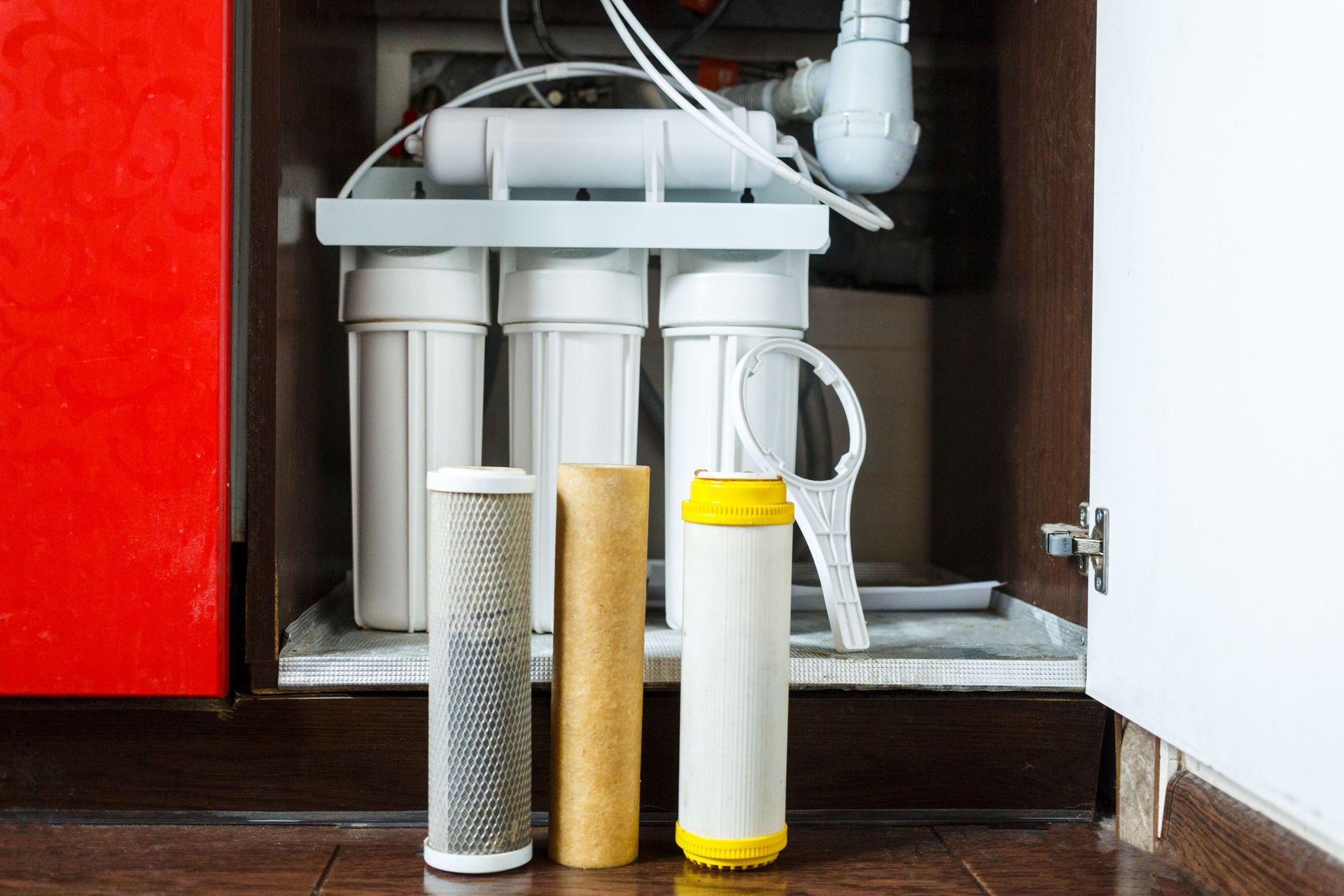
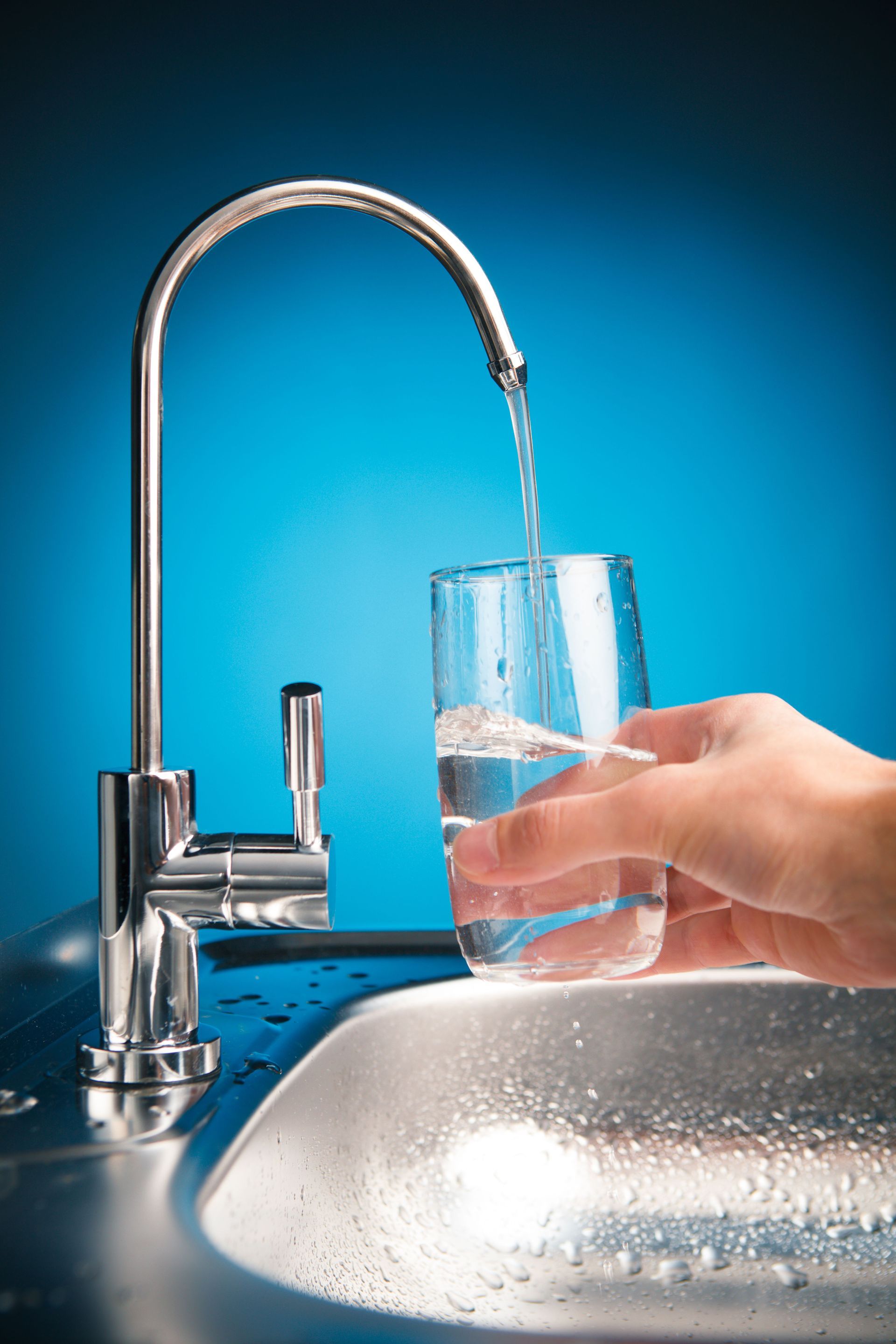
Water filtration systems are designed to remove harmful substances, ensuring that water is safe for human consumption. Advanced filtration techniques can effectively eliminate toxins, pathogens, and chemicals from water supplies. Reverse osmosis, carbon filters, and ultraviolet purification are among the methods that enhance water safety. By removing contaminants, filtration systems play a crucial role in reducing health risks associated with exposure to harmful substances. Communities with access to clean, filtered water experience significantly fewer health problems related to waterborne contaminants.
2.2 Prevention of Waterborne Diseases
The prevalence of waterborne diseases highlights the necessity of reliable water filtration systems. Filtering out pathogens such as bacteria, viruses, and parasites prevents illnesses like diarrhea, cholera, and hepatitis. In areas where waterborne diseases are common, implementing effective filtration technologies has led to improved public health outcomes. Access to filtered water significantly reduces the mortality and morbidity rates associated with contaminated water. Public health initiatives emphasize the role of filtration in preventing diseases, encouraging investments in these technologies.
2.3 Enhancing Taste and Clarity
Beyond health benefits, water filtration improves the taste and clarity of water, enhancing the overall consumption experience. Filtration systems effectively remove dissolved minerals, chlorine, and organic matter that can contribute to unpleasant tastes and odors. Clear and better-tasting water encourages higher water consumption, contributing to improved hydration and health. In homes and businesses, filtered water supports daily activities like cooking and beverage preparation, resulting in superior taste. Quality enhancements achieved through filtration are a significant factor in consumer satisfaction.
2.4 Nutrient Retention
A well-designed water filtration system not only removes harmful substances but also retains beneficial nutrients and minerals essential for health. Proper filtration techniques carefully balance contaminant removal with nutrient retention, ensuring that water remains a source of essential elements like calcium and magnesium. Balancing the removal and retention of substances is crucial for maintaining electrolytic balance and promoting bone and cardiovascular health. Filtration systems that preserve nutrient content while removing harmful agents provide optimal health benefits. Educating consumers about different filtration systems helps them make informed choices regarding water quality.
2.5 Long-term Health Benefits
Consistently consuming filtered water yields numerous long-term health advantages, contributing to overall well-being and quality of life. Reduced exposure to contaminants decreases the likelihood of developing chronic health problems associated with polluted water. Over time, consuming clean water supports key bodily functions, including digestion, detoxification, and cellular repair. Communities with access to quality filtration experience improved public health metrics, highlighting the importance of investing in effective systems. The overarching benefits of clean water underscore the vital need for widespread access to filtration technologies.
3. Environmental Impact of Water Filtration
3.1 Reducing Plastic Waste
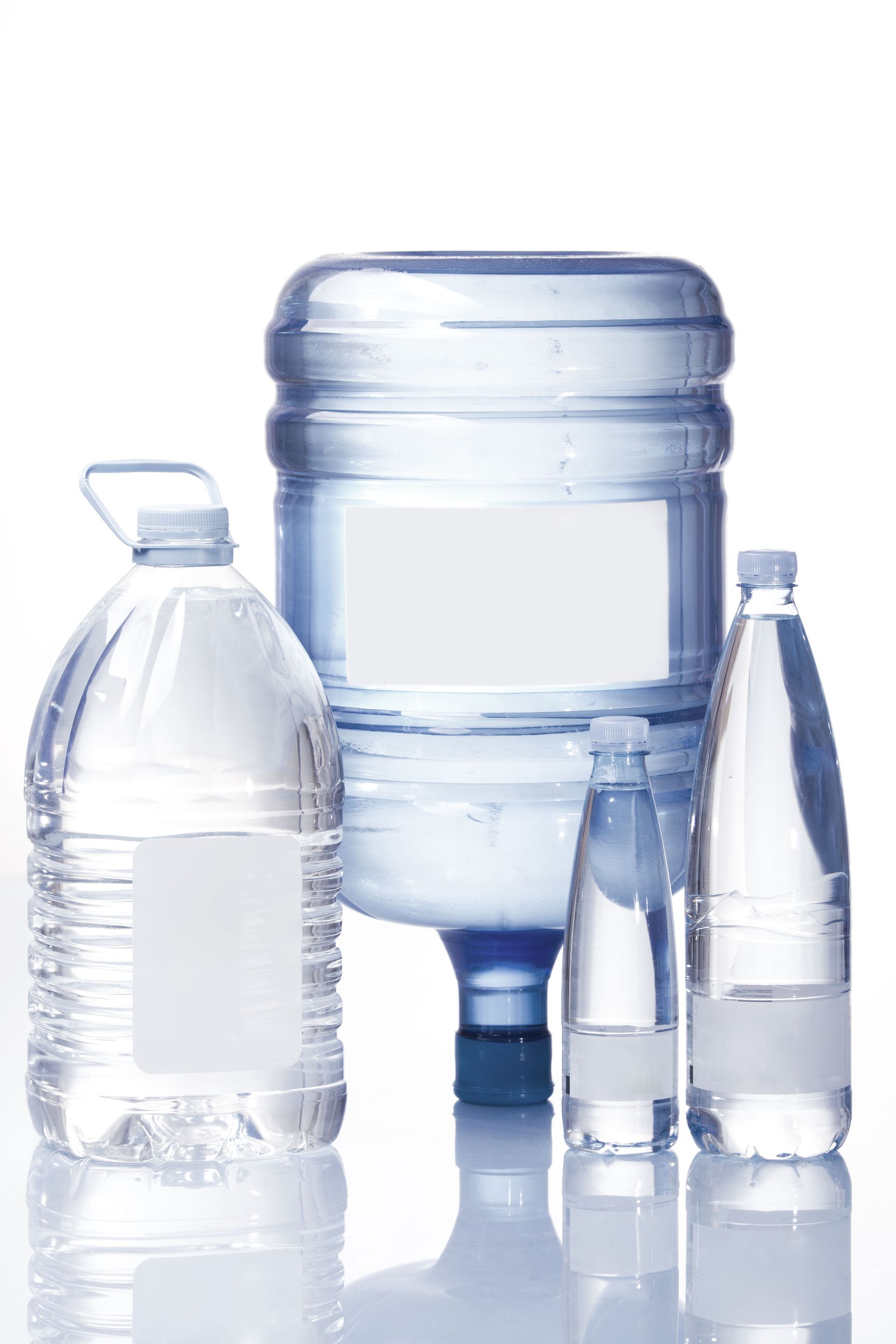
Water filtration positively impacts the environment by reducing reliance on single-use plastic water bottles, a significant contributor to global plastic pollution. Home and municipal filtration systems decrease the demand for bottled water, cutting down waste and conserving resources. With millions of plastic bottles discarded daily, effective filtration solutions are crucial for minimizing environmental harm. Consumers play a key role by choosing reusable and sustainable options instead of bottled water. The reduction in plastic waste achieved through widespread filtration adoption contributes to a healthier planet.
3.2 Preservation of Natural Water Bodies
By providing clean water from alternative sources, filtration helps preserve natural water bodies, prevent ecosystem degradation, and maintain biodiversity. Overextraction and contamination threaten many waterways, leading to ecological imbalances and loss of species. Filtration systems allow for sustainable water use, reducing the strain on rivers, lakes, and groundwater reserves. Protecting these habitats is essential for ecological sustainability and ensuring that natural resources remain available for future generations. Collaborations between conservation groups and filtration experts promote integrated approaches to water management.
Water filtration is an indispensable component of ensuring safe and clean water for communities worldwide. Its role extends beyond health benefits, encompassing environmental, technological, economic, and socio-cultural dimensions, particularly crucial in developing countries. By investing in robust and innovative filtration technologies, we can address global water challenges, improve public health, and protect the environment. The commitment to advancing filtration solutions requires collaboration, education, and sustained efforts at local, national, and international levels. According to the CDC, at least 1.1 million people in the U.S. get sick every year from germs in drinking water. Together, we can achieve the vision of universal access to clean and safe water, a fundamental human right. Be sure to reach out to Noah Water Systems Inc today for more information on our professional water filtration!



Share On: